The David Bar Lawsuit and What to Eat Instead.
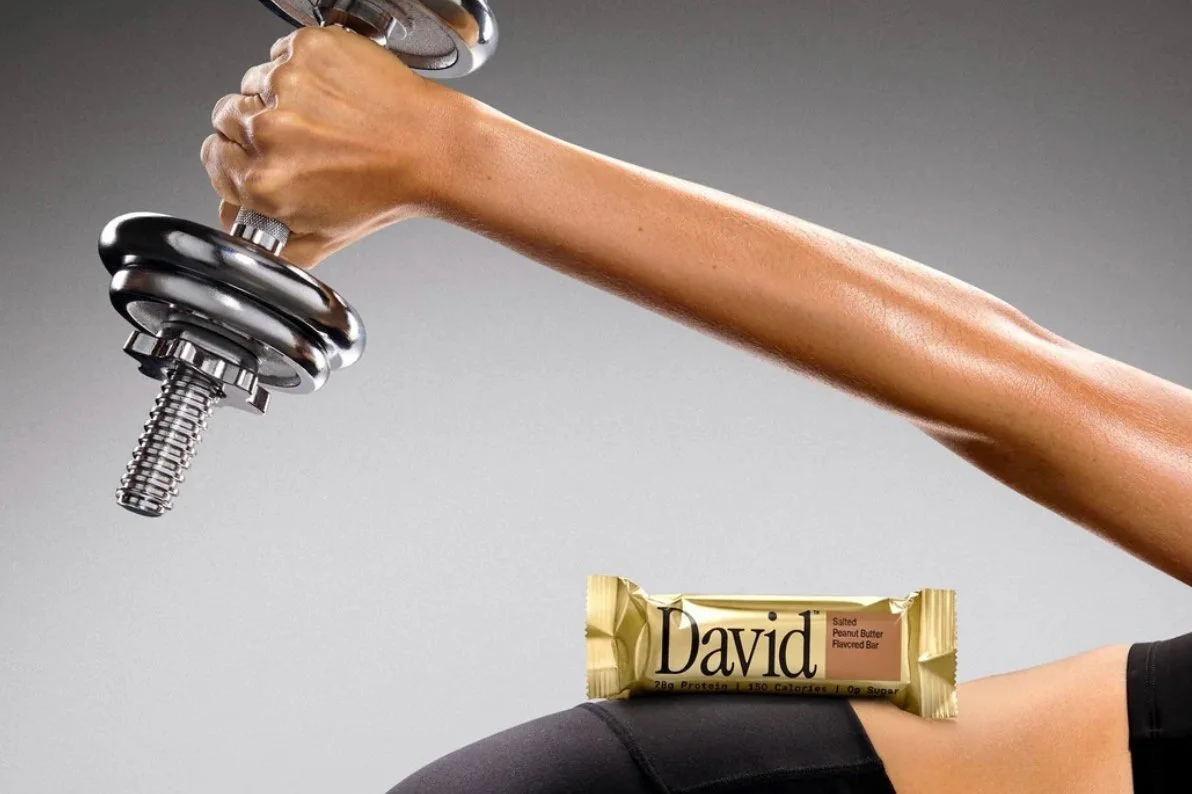
Image courtesy of David Protein
UPDATE, March 30, 2026: The class action was voluntarily dismissed on March 30, 2026, without prejudice, meaning it could be refiled. No court ever ruled on whether the labels were accurate, no recall was issued, and no regulator took action. The full story is below, including why the science behind the claim was contested.
For a moment, David bars felt like a miracle. 28 grams of protein, 150 calories, zero sugar. Then in January 2026, a class action landed alleging the bars carried far more calories and fat than the label said. Two months later it was gone.
Here is what actually happened, and what I tell clients to reach for either way.
The short version
Filed January 23, dismissed March 30, without prejudice
No court ruling, no recall, no regulator action
The dispute was about how you measure calories, not about a hidden ingredient
A separate antitrust case over the same ingredient is still working through court
Bars are a bridge, not a destination, and that never changed
What was the David bar lawsuit about?
Lab testing commissioned by the plaintiffs found numbers far above the label.
The complaint, filed in the Southern District of New York, claimed the bars contained 268 to 275 calories rather than the advertised 150, and 11 to 13.5 grams of fat rather than 2 to 2.5 grams. The plaintiffs sought damages and restitution on behalf of consumers nationwide.
Why did David say the numbers were wrong?
Because of how the testing measured calories, and this part is genuinely interesting.
The bars get their texture from EPG, a modified plant-based oil. It is made by splitting oils like canola into glycerin and fatty acids, inserting a food-grade link, and reconnecting them. That link makes it resistant to lipase, the enzyme that breaks fat down in your gut, so most of it passes through without being absorbed. A gram of ordinary fat delivers 9 calories. A gram of EPG delivers about 0.7.
The lab method at the heart of the case burns food and measures the heat released. Burning EPG releases energy. Your digestive system does not. As David's founder put it, your body does not burn food, it digests it.
That is the whole disagreement. Not a hidden ingredient, a question about which measurement counts.
So was the lawsuit right or wrong?
Neither, and that is the honest answer.
The plaintiffs withdrew the case themselves, so no court weighed the evidence. Dismissal without prejudice is not a verdict and not a vindication. It means the case ended, and it could come back.
What I would say to a client: the argument David made is real and specific, not spin. Non-absorbed ingredients are a recognised wrinkle in calorie labeling. If you eat one bar a day and it works for you, this is not something to panic about. If the episode made you want a bar whose numbers are boring and obvious, that instinct is also fine.
There is also a separate case still in progress, brought by three small food companies who lost access to EPG after David bought its manufacturer. That one is about supply and competition, not about your bar.
What should I look for in any protein bar?
Flip it over before you buy it.
At least 10 grams of protein. Zero to 5 grams of added sugar. Ideally no seed oils, or under 2%. And an ingredient list short enough to read in five seconds. Whole food options travel just as well, and several are on the list below.
Animal-based
Boiled eggs, available even in airports these days
Unsweetened full-fat dairy, cottage cheese or Greek yogurt
Plant-based
The bigger picture
Protein bars are a bridge, not a destination. Use them when real food is not an option, not as the plan.
The thing worth taking from this whole episode is not which brand to avoid. It is that a label is a claim, and claims are worth reading rather than trusting. For building a plate that does the work without a wrapper, read the truth about protein for weight loss and how much protein you actually need.
🤎
Want tips in your inbox? Sign up for The Monthly Newsletter. No BS, only the good stuff.