The Truth About Protein for Weight Loss.
The diet industry gets almost everything wrong. But every few decades it accidentally lands on something real.
Protein is that thing. Not the protein donuts. Not the protein water. The actual macronutrient that has been doing the heavy lifting while everyone was busy counting calories and cutting fat.
Here is what you actually need to know, and where the trend has already been hijacked.
Why is protein the one trend that is actually right?
Because it is the only macronutrient that does four jobs at once, and every one of them matters for weight loss.
It slows the glucose spike from the rest of your meal. It tells your brain the meal is finished. It keeps your energy steady for hours instead of ninety minutes. And it is the only thing standing between you and the quiet, invisible muscle loss that starts around 30 and compounds every decade after.
Protein is not a gym thing. It is a blood sugar thing, a cravings thing, a metabolism thing, and a not-raiding-the-pantry-at-10pm thing.
Why does protein matter more every decade?
Because your body gets worse at holding muscle, and food is the only lever you fully control.
In your 30s, the body becomes less efficient at holding onto muscle. Most people do not feel it yet. That is the trap.
In your 40s, hormones shift. For women, perimenopause pulls estrogen down and muscle with it, and the metabolism stops forgiving the way it used to. Here is what changes and what to do about it.
In your 50s and beyond, the stakes are impossible to ignore. Bone density, recovery, metabolic rate. Every decade without enough protein compounds into the next.
Does protein matter more on a GLP-1?
Considerably more, and this is where I see the most damage done.
When appetite disappears, protein stops happening by accident. It has to be deliberate. Without it, a much larger share of the weight you lose comes from lean mass rather than fat, and lean mass includes the muscle driving your metabolism.
That is the mechanism behind regain. Lose the muscle, slow the metabolism, come off the medication, and the weight returns to a body that now burns less than it did before. Protein is what breaks that chain. Full picture here: GLP-1 Nutrition Support.
What are the best sources of protein?
The Eat Shed Glow® rule: if it existed 100 years ago, it is probably a good protein source. If it needs a factory and a marketing budget, flip the label.
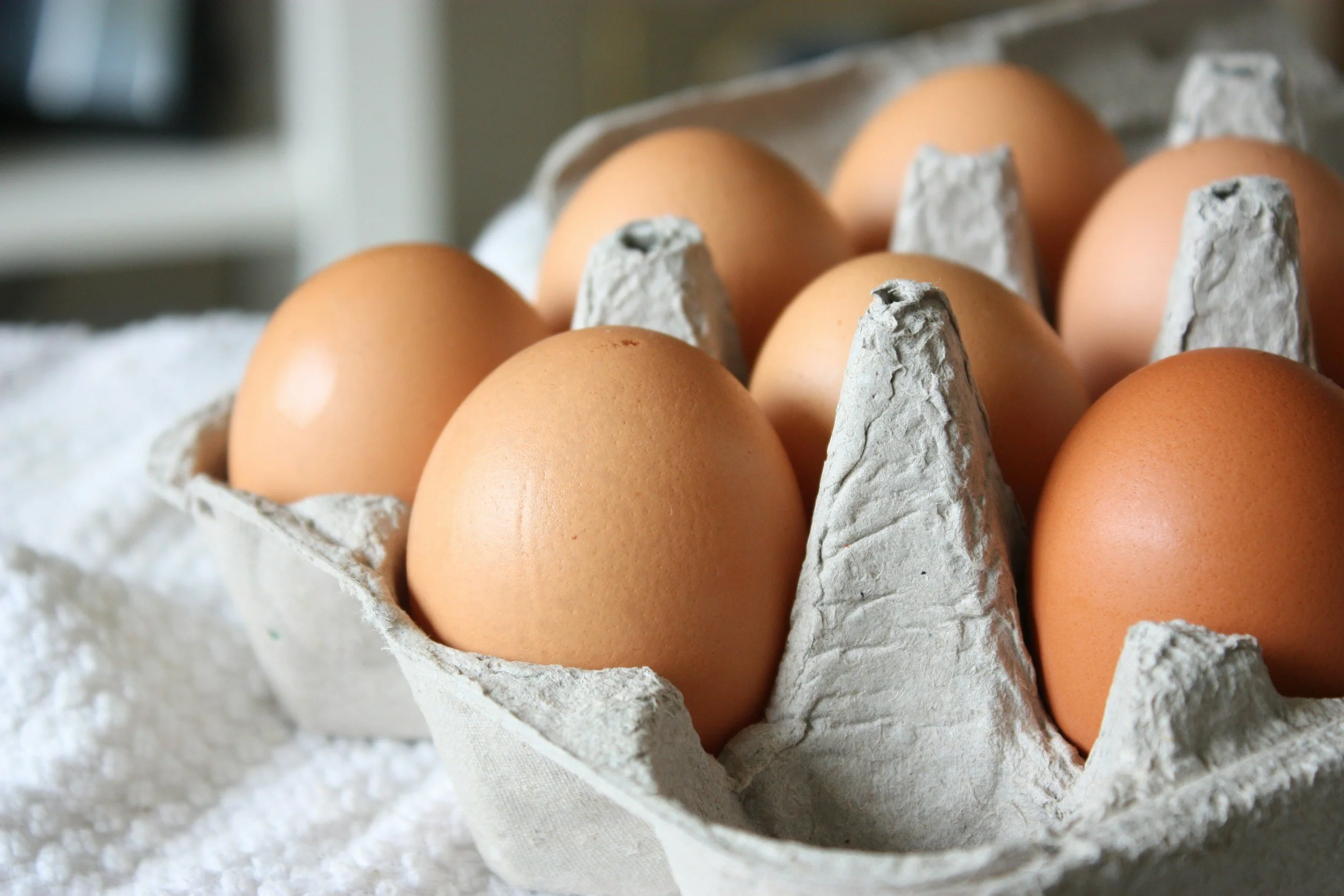
Animal protein: pasture-raised eggs, egg whites, chicken, lean ground turkey, salmon, smoked salmon, sardines, tuna, wild shrimp, lean beef, bison, and full-fat dairy like cottage cheese, Greek yogurt, and kefir.
Plant protein: tofu, tempeh, edamame, hemp seeds, hempfu, and lupini beans are genuine protein anchors.
One clarification I hold firmly. Lentils, chickpeas, and black beans are wonderful foods, but they are complex carbohydrates with some protein attached, not a protein anchor. They belong on the plate. They do not do the job that eggs, fish, poultry, dairy, or tofu do. Building a meal around them and calling it a protein meal is one of the most common reasons people eat far less protein than they think.
Protein powder makes it easy on the go. Look for at least 20 grams of protein, 0 to 5 grams of added sugar, and no seed oils.
The protein powders and bars I actually recommend are in Coco's Picks: Protein. Some links are affiliate links, which means I may earn a commission at no additional cost to you.
What protein products should you skip?
Almost anything where protein is the headline and the ingredient list tells a different story.
The food industry ran this exact play with fat-free in the 1990s. Removed the fat, added sugar, and an entire generation got sicker. Protein is wearing that same costume now.
Protein chips, protein cookies, protein cereal. Most are Sugar Bombs in disguise. The sugar spikes your blood sugar, your body crashes an hour later, and you are hungrier than before you ate, which is the exact opposite of what protein is supposed to do. The seed oils and heavily processed ingredients add low-grade inflammation on top, and that is one of the quietest blockers of weight loss there is.
The protein is an afterthought. The marketing is not. The David bar lawsuit is a useful case study in exactly this.
Can you eat too much protein?
For most healthy adults, no, and the fear is largely a leftover from bad science.
The concern people raise is kidney damage, and that risk applies to people with existing kidney disease, not to healthy adults eating a protein-forward diet. If you have a kidney condition, that is a conversation for your doctor.
The other worry I hear is red meat. Most of the alarming studies were built around processed meat, bacon, hot dogs, deli slices, rather than a quality piece of steak. Those are two very different foods.
The far more common problem in my practice is not too much protein. It is nowhere near enough.
So how much do you actually need?
Enough that it anchors every meal rather than decorating it, and the number depends on your body.
The short version: one palm-sized portion of quality protein at every meal, which is roughly a quarter of your plate. No apps, no weighing.
For the actual calculation, what it looks like on a plate, and how to hit it when you have no appetite, read: How Much Protein Do You Actually Need?
🤎
Want tips in your inbox? Sign up for The Monthly Newsletter. No BS, only the good stuff.