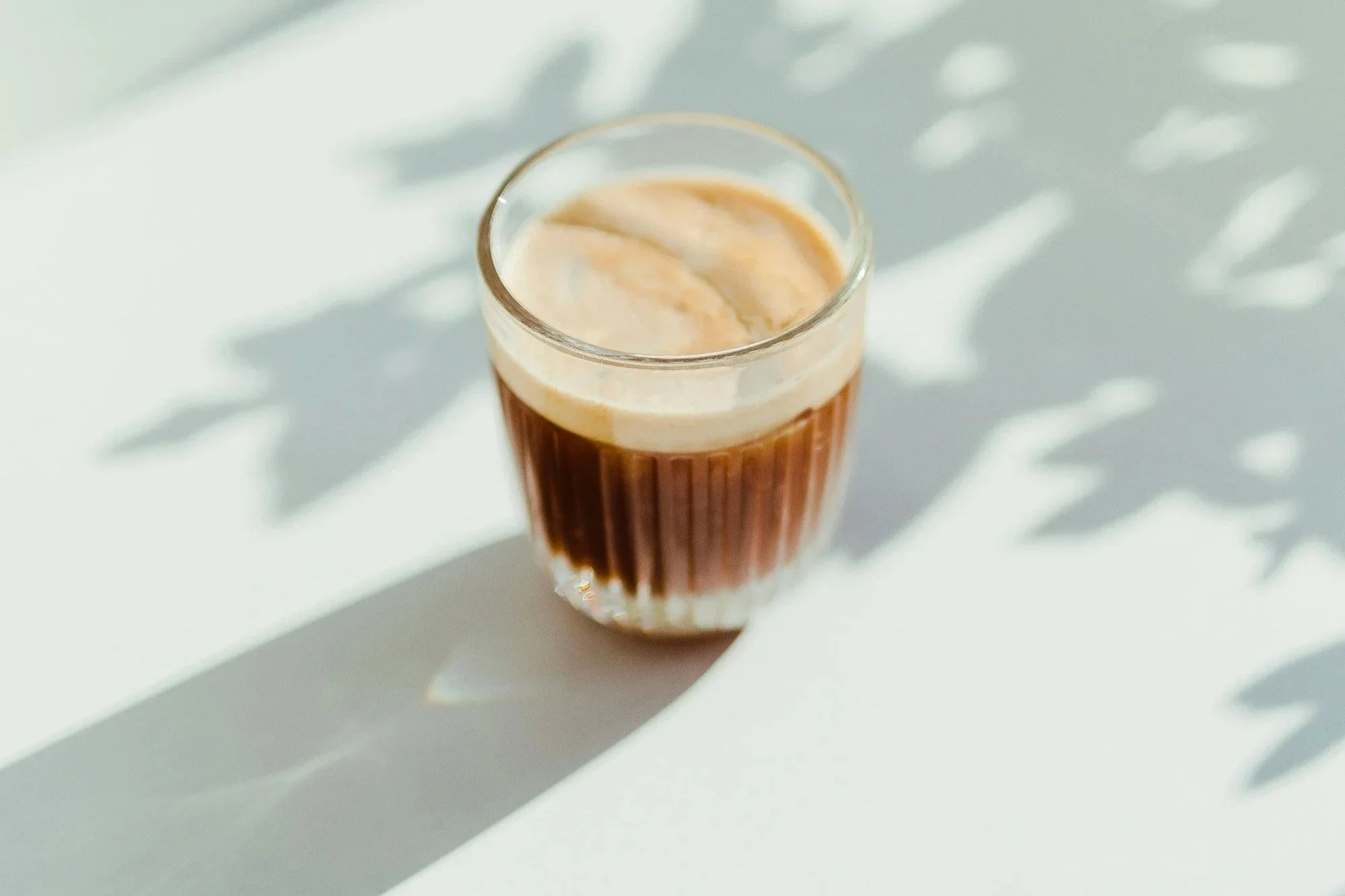
This is one of the most common questions I get from clients. They are doing the work, the scale is being stubborn, and somewhere they read that coffee might be the problem. So they ask me, a little nervously, whether they need to give it up.
My honest answer is no. You almost certainly do not need to cut coffee to lose weight. But there is a real reason the question keeps coming up, and it is worth understanding.
I was recently interviewed by Healthline about a study on how coffee reshapes the gut and brain to reduce stress. The findings are genuinely good news for coffee lovers.
Does coffee raise cortisol and block weight loss?
Not in the way people fear. The worry I hear most is about stress: people feel jittery or wired and assume coffee is spiking their cortisol, and that the cortisol is blocking their weight loss.
It is a fair concern, because chronically high cortisol genuinely does drive belly fat storage and cravings. But here is what most people do not know: habitual coffee drinkers develop a blunted cortisol response over time. Your body adapts. Daily coffee can actually train your nervous system to handle pressure with less reactivity, not more.
The jittery feeling is usually a sign of too much, too late in the day, or coffee on an empty stomach. It is not proof that coffee is your enemy.
Is coffee actually good for you?
Yes, and the mechanism is more interesting than the caffeine. The study I spoke to Healthline about found that decaffeinated coffee delivered the same mood benefits as caffeinated, which tells us the benefits do not come from caffeine at all.
Coffee is one of the most polyphenol-rich drinks in the modern diet, and those polyphenols feed the good bacteria in your gut. Your gut bacteria ferment them into compounds that lower inflammation and send calmer signals to your brain.
That matters for weight loss more than people realize. Chronic low-grade inflammation is one of the most underrated drivers of cravings and stalled fat loss. A drink that lowers inflammation and supports a calmer stress response is working with you, not against you.
How do you make coffee work for your goals?
Upgrade it rather than eliminate it. This is how I coach every staple: when something is a daily habit you genuinely love, you make the version that serves you.
Go organic. Coffee can carry pesticide residue and mold. A simple, worthwhile upgrade for something you drink every single day.
Do not turn it into a Coffee Bomb. A flavored oat milk latte with caramel syrup can carry 40 grams of sugar and a full meal's worth of calories before 9am. That is not coffee causing weight gain. That is dessert in a cup.
Start with water. Most of us wake up mildly dehydrated, and a glass of water before your coffee is an easy win. If coffee on an empty stomach leaves you jittery, pair that first cup with breakfast instead.
Mind the curfew. Two to three cups a day is the sweet spot, and a caffeine curfew by 2pm protects your sleep, which protects your cravings the next day.
Keep it close to how nature made it. Black, or with a splash of whole milk or an unsweetened plant milk with a short ingredient list.
What should you put in your coffee?
The shortest ingredient list you can find, because this is where most of the damage happens.
Whole milk is a good option if you tolerate dairy, since the fat and protein blunt any blood sugar effect. For plant milks, look for one with almonds or oats and water and not much else. Most mainstream brands are mostly water plus gums, oils, and "natural flavors," which is a legal catch-all that can hide dozens of undisclosed compounds.
The flavored liquid creamers are the ones I would leave on the shelf. Many are built on corn syrup solids, seed oils, and carrageenan, which is a chemistry experiment rather than a creamer. If you want sweetness, a shake of cinnamon, a drop of pure vanilla extract, or a dusting of cocoa gives you the warmth without the sugar.
And skip oat milk if weight loss is the goal. It has a glycemic index around 69, considerably higher than dairy or almond milk, because the enzymatic processing turns the starches into maltose. Without protein or fat to balance it, it spikes your blood sugar and leaves you hungry an hour later.
The coffee, tea, and creamers I actually recommend are in Coco's Picks: Coffee & Tea. Some links are affiliate links, which means I may earn a commission at no additional cost to you.
Does decaf still count?
Yes, and decaf is not a consolation prize. It is a smart tool, and I recommend it in two situations.
After a dinner out. When you want something warm to close the meal on a night you do not need a treat, a decaf coffee stands in for dessert beautifully. Try a decaf americano, or a cappuccino with whole milk. It signals the meal is over, gives you the ritual, and skips the blood sugar spike.
If you are caffeine-sensitive, or it is late in the day. Because the real benefits run through the polyphenols and the gut rather than the caffeine, decaf still delivers them. You lose nothing that matters.
The bottom line
No, you do not need to cut coffee to lose weight. Coffee on its own is a genuinely beneficial habit.
The problem is almost never the coffee. It is what we pour into it, and how late we drink it. Upgrade your cup instead of eliminating it, and use decaf as the smart tool it is. That is the difference between dieting and actually understanding your food.
If you’re tired of wondering which everyday foods and habits are helping or hurting your progress, start with my guide to weight loss without dieting.
🤎
Want tips in your inbox? Sign up for The Monthly Newsletter. No BS, only the good stuff.