Your Practical Grocery List for Weight Loss.
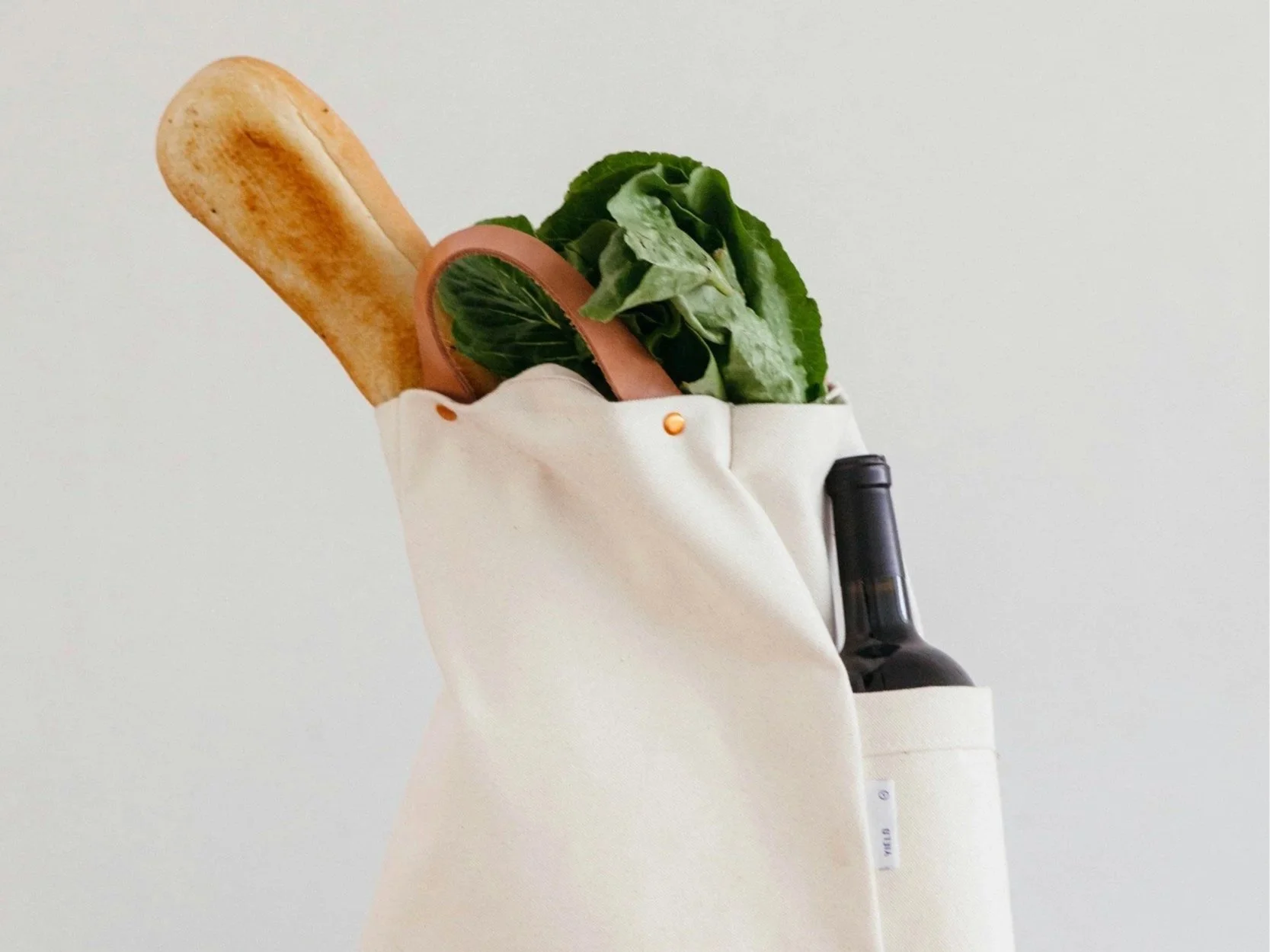
Most of the work happens in the shop, not in the kitchen. If the right food is in your house, the right dinner is easy. If it is not, willpower has to do a job it was never good at.
Here is what I keep stocked, aisle by aisle, with the brands I actually buy. Everything is also in my pantry if you would rather shop it directly.
What should you buy in the produce aisle?
Low-sugar fruit and as many vegetables as you will realistically eat.
Fruit: organic berries, pomegranate, green apple
Vegetables: organic leafy greens, broccoli, Brussels sprouts, cauliflower, carrots, turnips, radishes, pumpkin, squash, sweet potatoes
Cooking staples: lemons, avocados, garlic, onions
Fresh herbs: basil, cilantro, thyme, mint, dill, rosemary
Herbs are the cheapest upgrade in the shop. They cost almost nothing, they make plain food worth eating, and each one counts toward the plant variety your gut wants.
What proteins should you keep on hand?
Enough that you are never staring at an empty fridge at 7pm.
Fish and seafood: wild or sustainably farmed salmon, trout, halibut, wild shrimp
Poultry: pasture-raised skinless chicken breast, turkey
Meat: grass-fed and grass-finished beef, bison, pork, game
Buy more than you need for one meal. Cooked protein in the fridge is the single most useful thing you can have on a Tuesday.
What about dairy and eggs?
Full-fat, and skip the low-fat versions entirely.
Dairy: full-fat organic yogurt, cottage cheese, milk, creamer. Look for A2 or lactose-free (Green Valley), or goat, sheep and buffalo cheese, which are easier to digest than cow.
Plant-based: unsweetened coconut or almond milk (Califia, Malk), cheese (Miyoko's), yogurt (CocoJune), creamers (Nutpods)
Eggs: organic pasture-raised. Free-range, cage-free or humanely raised is second best (Handsome Brook Farms, Carol's, Vital Farms)
Soy: organic soy milk, tofu, tempeh
Low-fat dairy strips out the fat that makes it filling, and usually adds sugar to compensate. You save a few calories and pay for it in cravings later.
Which oils and condiments are worth buying?
The oil you cook with matters more than almost anything else in your trolley, because you use it every single day.
Olive oil for low to medium heat, soups and sauces
Extra virgin olive oil for dressing salads and cooked vegetables
Avocado or coconut oil for sautéing, stir-frying and higher-heat baking (Chosen Foods)
Condiments: unsweetened ketchup and mustard, mayonnaise made with avocado or coconut oil, organic soy sauce, tamari or coconut aminos, and any herbs and spices you like.
What breads, grains and pasta should you look for?
Low-carb, high-protein first: Hero bread, and Kaizen lupini pasta, which carries 20 grams of protein and 15 grams of fiber per serving against 6 grams of net carbs. Both let you keep the meal you actually want.
Other low-carb options: konjac noodles (Miracle Noodle, Skinny Pasta), hearts of palm pasta (Palmini), almond flour tortillas (Siete)
Bread: sourdough or Ezekiel, which are lower in gluten and easier to digest
Grains and seeds: quinoa, millet, organic oats, grain-free granola
Gluten-free pasta: made from cassava, quinoa or beans (Explore Cuisine)
Rice: black, red, wild, brown, or organic white jasmine
Whole grain: organic pasta (Bionaturae, Jovial), bread (Dave's Killer Bread)
Rotate these rather than buying the same one every week. Different grains feed different gut bacteria.
What canned and packaged foods are worth keeping?
The ones that turn an empty fridge into dinner. Look for BPA-free where you can.
Vegetables: low-sodium, in water. Green beans, artichokes, hearts of palm, pickles
Beans and soups: peas, lentils, chickpeas, black beans (Eden Foods)
Fish: wild salmon (Wild Planet), low-mercury tuna (Safe Catch)
Tomatoes: organic unsweetened crushed, fire-roasted or puréed (Muir Glen, Bionaturae)
Broth: unsweetened, low-sodium chicken, beef or vegetable (Pacific Foods)
What snacks should be in the house?
The ones you are happy to reach for at 4pm.
Nuts: raw or dry roasted, no oils or added sugar, sea salt is fine. Almonds, walnuts, pecans, pistachios, macadamias, and unsweetened nut butters
Seeds: chia, flax, sunflower, pumpkin, hemp
Crunchy: popcorn (LesserEvil), tortilla and potato chips made with avocado or coconut oil (Siete)
Crackers: gluten-free and fiber-rich (Le Pain des Fleurs, Hu, Mary's Gone Crackers, Flackers)
Chocolate: at least 70%, ideally without soy lecithin (Hu, Jojo's, Endangered Species, Green & Black's, Alter Eco)
What about drinks, baking and sweeteners?
Drinks: mineral and sparkling water in glass, organic coffee, unsweetened organic herbal teas
Zero-calorie sweeteners: stevia, monk fruit, allulose, in drops or powder
Natural sweeteners: raw or local honey, Medjool dates, date syrup
Flour: organic unbleached, or gluten-free like oat and almond
Protein powder: low-sugar, grass-fed beef (Equip, Kion) or plant-based (Truvani, Ora)
What should you always have in the freezer?
This is the aisle that saves you on the days nothing is planned.
Fruit: organic blueberries, blackberries, raspberries, strawberries
Vegetables: plain, no sauces. Broccoli, cauliflower or cauliflower rice, mushrooms, green beans, vegetable medleys, spinach, edamame
Low-carb: pizza crust (Cappello's, Cali'flour), tortillas (Siete), bread (Base Culture)
Ice cream: low-sugar dairy (Rebel) or non-dairy (So Delicious, no sugar added)
Frequently asked questions
Do I need to buy everything on this list?
No. Start with produce, protein, eggs and one good oil. The rest builds up over a few shops.
Does organic matter for weight loss?
Not directly. Buy organic where it fits your budget, and prioritise it for the produce you eat most often.
Are frozen vegetables as good as fresh?
Often better. They are frozen at peak ripeness, and they are still there on the night you forgot to shop.
What is the one thing to buy first?
Protein, and more than you think you need. It is the thing most people are short on and the thing that makes everything else easier.
You can find most of these in my pantry, which I keep updated as brands change their formulas.
🤎
Want tips in your inbox? Sign up for The Monthly Newsletter. No BS, only the good stuff.