What Your Cravings Are Really Telling You.
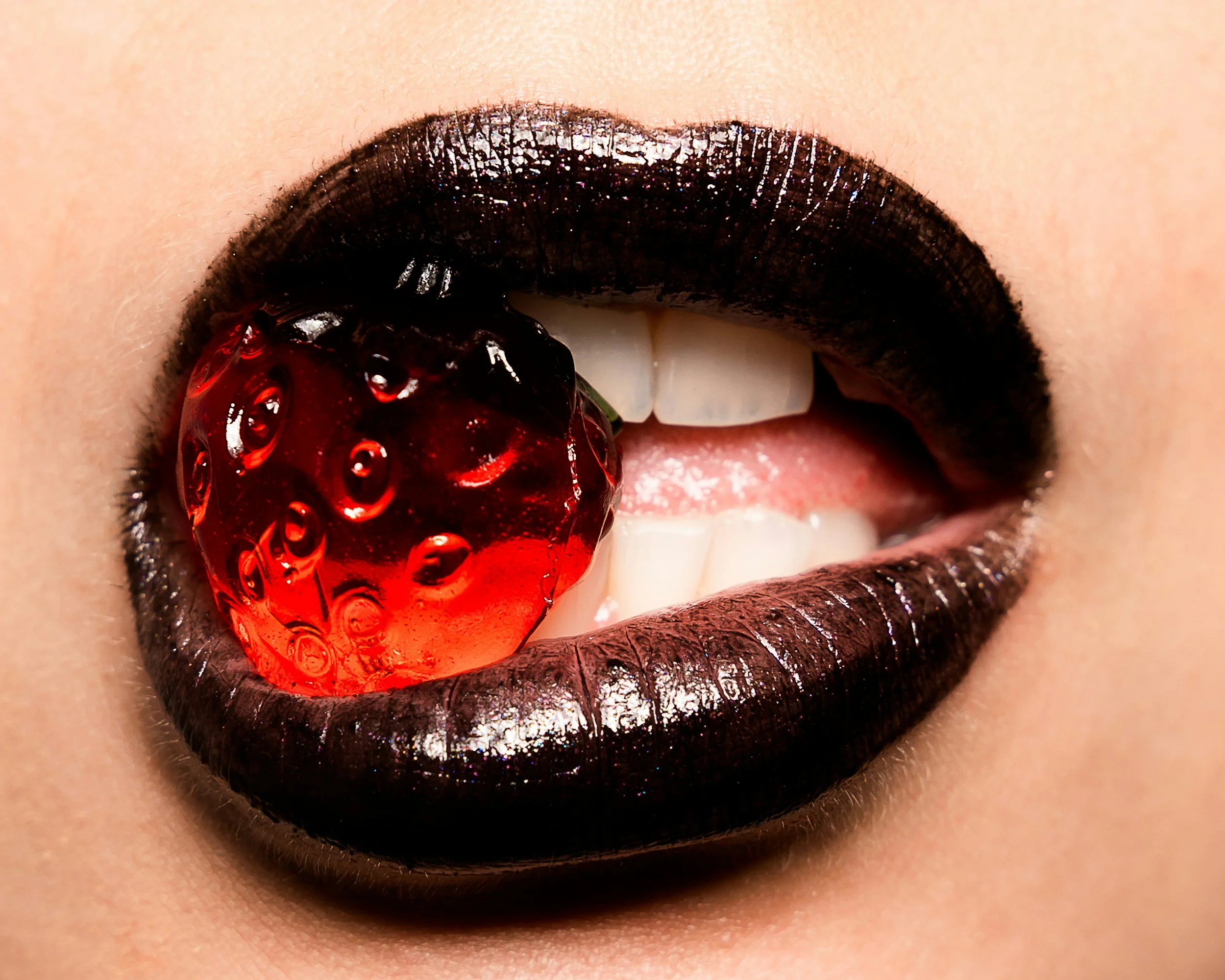
It is 3 PM. You had a decent lunch. You are not hungry. But something in you is scanning the kitchen like a heat-seeking missile. Chocolate. Chips. Bread. Cheese. Anything, really.
You call it a craving. You blame it on willpower. You eat it, feel guilty, and promise yourself tomorrow will be different. Tomorrow is never different.
Here is the part nobody tells you: cravings are not the problem. Cravings are the diagnosis.
The short version
A craving is information, not a character flaw
Sugar usually means your last meal was short on protein
Salty and crunchy is usually habit and hyper-palatable food, not a mineral you are missing
Bread and pasta usually mean stress, or that you under-ate earlier
Wine is usually about the transition, not the alcohol
Winter carb cravings are normal and worth eating well, not fighting
If you are not physically hungry, the answer is probably not food
Why do I get cravings?
Because something is off, and your body has one way to tell you.
A blood sugar crash. Stress. Boredom. Loneliness. Habit. Sometimes several at once, disguised as an urgent need for a sleeve of Oreos. The craving is the alarm, not the fire. The question is whether you keep hitting snooze or work out what is setting it off.
Here is how I decode them with clients.
Why am I craving sugar?
Your blood sugar crashed and your brain wants the fastest fix it knows.
This is the most common one and the most misunderstood. It starts with a meal that was short on protein. Breakfast was a granola bar. Lunch was a salad with nothing anchoring it. Blood sugar spiked, then dropped below where it started. You eat something sweet, it spikes again, crashes again, and you reach for the next one. That is not a character flaw. That is chemistry, and it is measurable: people whose blood sugar dips hardest after a meal get hungrier sooner and eat more across the day.
The fix: go back to the meal before the craving. Was there at least 30g of protein on it, a palm-sized portion of meat, fish, or eggs? If not, there is your answer. A breakfast with 30g of protein does not produce a 10 AM candy bar craving.
Right now: a cup of Greek yogurt with nuts and berries, or two hard-boiled eggs. Protein and healthy fat steady blood sugar and the craving passes on its own.
Why am I craving salty, crunchy food?
Usually habit and hyper-palatable food, not a mineral you are short of.
This is where I have changed my mind. The popular line is that salt cravings mean dehydration, and the physiology runs the other way. Thirst and salt appetite are separate systems, and when you are dehydrated the brain raises thirst while actually suppressing salt appetite. Drinking water is good for you. It is not what turns this craving off.
Genuine sodium appetite is real, but it follows losing sodium rather than losing water: heavy sweating, a long session in the heat, a stomach bug. If that is you, replacing sodium is exactly right, and I go into that in hydration, electrolytes, and cravings.
For everyone else, the honest answer is that salt appetite is learned. The more heavily salted food you eat, the more your baseline shifts and the more you want. Add the crunch and the fat, which are engineered into chips and crackers precisely because that combination is hard to stop eating, and you have most of the explanation. Texture matters too: soft meals eaten fast register less satisfaction, so a rushed desk lunch leaves you hunting for something with bite.
The fix: turn the baseline down rather than fight it. Cook with acid instead of reaching for the shaker, since a squeeze of lemon or a splash of vinegar wakes up the same flavour receptors salt does. And build meals with something to chew, raw vegetables and real protein, so your food registers before the packet does.
Right now: olives, nuts, or cucumber with olive oil and good sea salt. You get the salt and the crunch without the engineering.
Why am I craving bread and pasta?
Stress is running the show, or you under-ate earlier and your body is collecting.
When cortisol stays elevated, from work, poor sleep, or general overwhelm, people reliably reach for dense, starchy, comforting food. The old explanation was a serotonin lift from the carbs, which does not really hold up in real meals, but the pattern itself is well established. What follows is the loop: blood sugar drops, stress climbs again, guilt arrives, repeat. That is not a willpower spiral. More on the mechanism in stress, cortisol, and your weight loss plateau.
The fix: eat enough earlier in the day, because the body keeps a running tab. Three real meals with enough protein and a strategic snack when you need one stops the 7 PM free-for-all from ever starting. Then deal with the stress itself, and not with a bath bomb. A walk after dinner. Eight hours of sleep instead of six. Saying no to the thing you have no capacity for.
Right now: soup, or leftovers with extra vegetables. Warmth without the crash. A mug of bone broth with sea salt quiets this one in minutes.
Why do I crave wine every night?
This one is rarely about alcohol. It is about the transition.
The pour is the punctuation mark between work and rest, the signal that the hard part of the day is over. Worth knowing what it costs: your body prioritizes clearing alcohol over everything else, so fat burning is suppressed while that happens, and sleep quality drops. You wake with unsteady blood sugar, which restarts the cycle before breakfast. Full detail in alcohol and weight loss.
The fix: ask what you are actually reaching for. If the answer is relief, or a way to switch your brain off, those are real needs and they cannot be met by a Malbec. Build a different punctuation mark. Tea, a walk, ten minutes away from a screen.
Right now: if you still want it, have it. Slowly, one glass, on purpose. That is the difference between a treat and a coping mechanism.
Why do I crave more carbs in winter?
Because your body is doing something reasonable, and this one is not a problem to fix.
Appetite shifts with the seasons. Shorter days, less light, less time outside, and a real pull toward food that is warm and dense. Carbohydrate craving is a recognised feature of seasonal low mood, so if this shows up every year, you are not imagining it and you are not failing at anything.
I would not spend the winter fighting it. Wanting something warm and grounding is your body asking for comfort, and comfort is a real need. The only question worth asking is whether what you reach for actually delivers it.
The fix: eat with the season, and let the comfort food do its job properly. Build it on real protein and root vegetables rather than refined carbs alone. A stew, a roast, a soup with beans and chicken. Same warmth, same satisfaction, and it holds you for hours instead of twenty minutes.
Right now: something warm with protein in it. Leftovers reheated with extra vegetables, or eggs with anything roasted. Answer the craving rather than argue with it.
What if I am not actually hungry?
Then the answer is probably not food.
This is the one most nutritionists will not say out loud. Sometimes you are lonely, bored, avoiding something, or touched out. Food is the most available comfort in modern life. No prescription, no appointment, no other person required. When an emotional need goes unmet, the body redirects the request to the one thing that answers immediately.
The 9 PM chocolate might be a craving for connection. The salty and crunchy might be a craving for stimulation.
The fix: when a craving hits and you know you are not physically hungry, pause and ask what you actually need. Do not fight it, do not shame it. If this is the pattern you recognise, how to stop food noise goes deeper.
Right now: call someone. Step outside for two minutes of air. Put on a song and move. Sometimes the most useful thing you can do about a craving has nothing to do with your kitchen.
The bottom line: Stop fighting your body and start listening to it.
Cravings are not failures. They are information, telling you something needs attention: your food, your stress, your sleep, or your life outside the kitchen.
The goal was never to eliminate them. That is diet culture talking. The goal is to decode them, and to eat in a way that prevents most of them from starting. It comes back to one idea underneath all of it, that not every calorie affects your body the same way.
Your body has been talking to you your whole life. Try listening.
Frequently asked questions
Do cravings mean I have a nutrient deficiency?
Usually not. The deficiency theory is popular but weakly supported outside specific cases like iron in pregnancy. Blood sugar, stress, sleep, and plain habit explain far more cravings than missing minerals do.
Does craving salt mean I am dehydrated?
Probably not. Thirst and salt appetite are separate systems, and dehydration raises thirst while suppressing salt appetite. Genuine sodium appetite follows sodium loss, like heavy sweating or a stomach bug, rather than simply not drinking enough.
How long does a craving last if I do nothing?
Most peak and pass within about 20 minutes. That is why the pause works. You are not resisting forever, you are outlasting a wave.
Why do I crave sugar in the afternoon specifically?
Because it usually traces back to breakfast and lunch. A morning built on fast carbohydrate sets up a spike and a dip, and the dip lands mid-afternoon. Anchor both meals with protein and the 3 PM craving mostly disappears.
Are cravings different on a GLP-1?
Yes. These medications quiet food noise substantially, which is a real relief. What often surfaces instead is that when appetite is low it becomes easy to under-eat protein, and that is its own problem for muscle and metabolism.
Is craving chocolate a magnesium deficiency?
Probably not. Cocoa contains magnesium, which is where the idea came from, but the evidence for magnesium driving chocolate cravings is thin. Stress, habit, and blood sugar are the more likely explanations.
How do I stop cravings at night?
Usually by changing the day, not the evening. Night cravings are most often the bill for under-eating earlier, so the fix is enough protein at breakfast and lunch rather than more willpower after dinner.
🤎
Want tips in your inbox? Sign up for The Monthly Newsletter. No BS, only the good stuff.