
GLP-1 Nutrition Coaching & Exit Strategy.
Eat Shed Glow® provides personalized 1:1 nutrition coaching and accountability while taking Ozempic, Wegovy, Mounjaro or Zepbound. Learn what to eat as your appetite changes, how to navigate real life on a GLP-1, and build the skills to support sustainable weight loss while on medication and beyond.
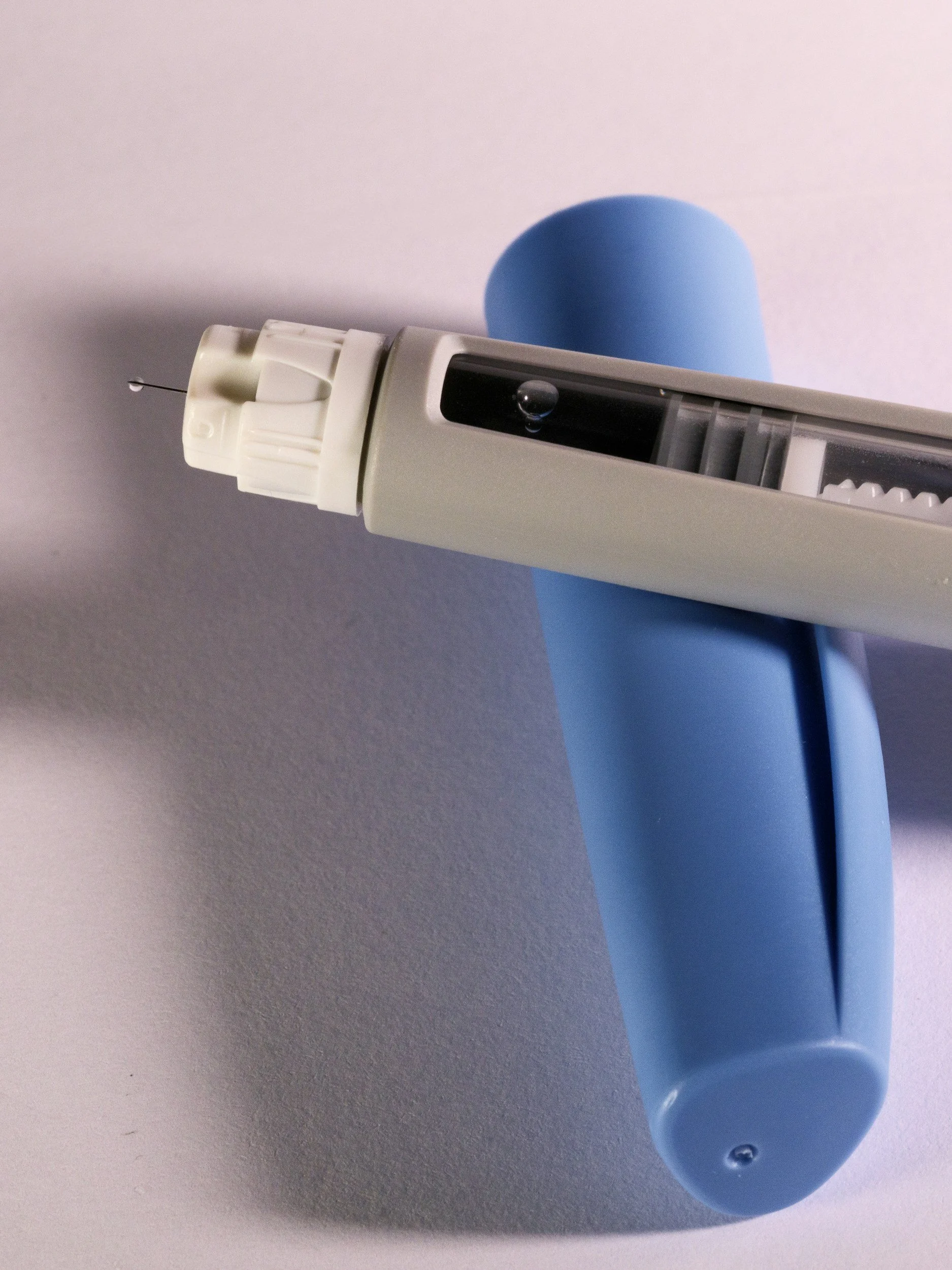
GLP-1 Nutrition, Beyond the Prescription
GLP-1 medications can change your appetite, but they don’t teach you how to eat. Eat Shed Glow® focuses on the nutrition, habits and real-life decisions that happen between appointments, so you can nourish your body, navigate everyday life and build skills that last beyond medication.
Eat Well When Appetite Is Low
Learn how to build smaller, nutrient-dense meals around protein, fiber, and healthy fats so reduced appetite does not mean missing what your body needs.
Protect Muscle While Losing Weight
Protein and strength training matter during weight loss. Coco helps you build both into your routine in a way that fits your appetite, lifestyle, and goals.
Navigate Changing Hunger
Low appetite, early fullness, nausea, or constipation can change how and when you want to eat. Nutrition strategies are personalized around what you are experiencing, while medical side effects remain with your prescriber.
Make It Work in Real Life
Restaurants, travel, work dinners, weekends, and vacations do not disappear because you are on a GLP-1. Learn how to make choices without tracking, obsessing, or putting life on hold.
Your GLP-1 Exit Strategy
Whether you stay on medication long term or eventually transition off with your prescriber, the goal is to build eating habits and skills that do not depend on appetite suppression alone. That is the exit strategy, and it starts on day one.

Inside Eat Shed Glow®

Weekly 1:1 GLP-1 Coaching

Your Personalized Roadmap
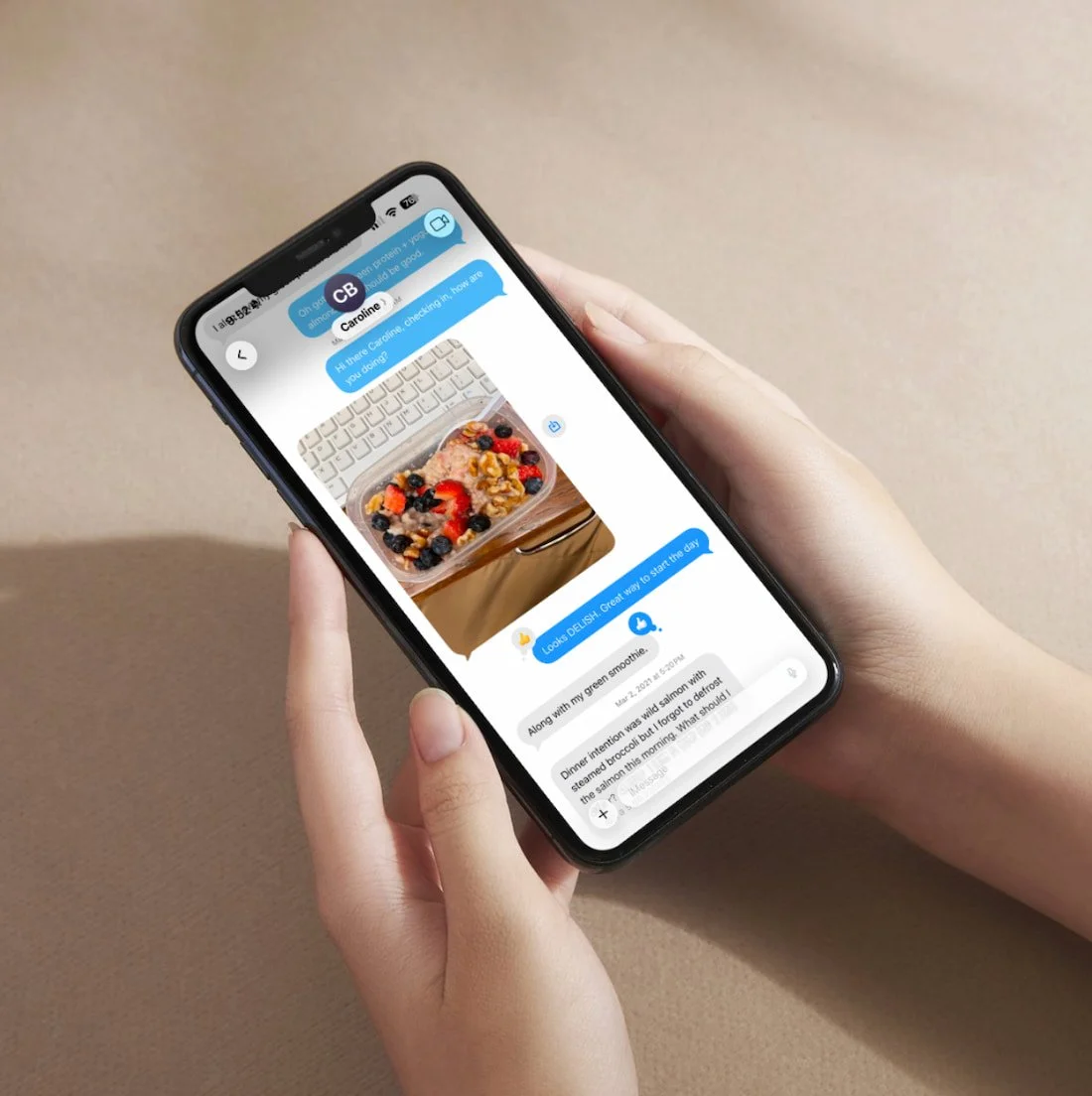
Support in Real Life

Results Beyond the Medication
What’s Inside the Method for GLP-1s?
Everything is personalized around your appetite, lifestyle, goals and experience on medication. Over six weeks of 1:1 coaching, you get a personalized Roadmap, ongoing accountability and real-time support to make eating well work in real life.
Your Roadmap
✓Deep-dive nutrition, lifestyle, and health history assessment
✓Personalized Roadmap built around your appetite, goals, and lifestyle
✓Meal ideas, recipes, grocery guidance, and favorite brands
Your Coaching
✓Weekly 1:1 GLP-1 nutrition coaching and accountability
✓Direct text access to Coco
✓Real-time support for low-appetite days, restaurants, travel, and everyday life
Your Exit Strategy
✓Strategies for eating well while taking a GLP-1
✓Tools and frameworks you can keep using beyond the six weeks, and beyond the medication
✓Ongoing accountability available if you want continued support
Real Clients, Real Results.
GLP-1 Nutrition Coaching FAQ
-
Your prescriber manages the medication, dosing, side effects, labs, and medical decisions. Eat Shed Glow® focuses on the nutrition and accountability between appointments: what to eat as your appetite changes, how to meet your nutritional needs, and how to navigate restaurants, travel, work, and everyday life.
-
Yes. Coco provides personalized nutrition coaching for clients using semaglutide, tirzepatide or orforglipron, including Ozempic, Wegovy, Mounjaro, Zepbound, Foundayo, and compounded medications prescribed by a licensed medical provider. Eat Shed Glow® does not prescribe or manage medication.
-
Yes. This is what Coco calls the GLP-1 Exit Strategy. If you and your prescriber decide to reduce or discontinue medication, nutrition coaching helps you prepare for changing appetite and build eating habits, routines, and strategies for weight maintenance beyond medication. Medication decisions remain between you and your prescriber.
-
There is no single GLP-1 diet. Nutrition should be personalized to your appetite, needs, preferences, and goals, with particular attention to adequate protein, fiber, hydration, and overall nutrient intake. Read the full guide: What to Eat on GLP-1 Medications.
-
Yes. Coco Pierrel is based in New York City and Westport, Connecticut, and provides virtual 1:1 nutrition coaching to clients across the U.S. and internationally.
-
The six-week program can meet you at any stage of your GLP-1 journey, whether you're just starting, already on medication, or preparing for life beyond it. You'll begin with a deep-dive assessment and personalized Roadmap, followed by weekly 1:1 coaching, direct text access to Coco and real-time accountability. The goal is to help you learn how to eat well, adapt as your appetite changes and build habits you can maintain long term.
If you want continued support after the six weeks, Eat Shed Glow® Lifestyle is available exclusively to Method graduates.