Does Matcha Actually Help With Weight Loss?
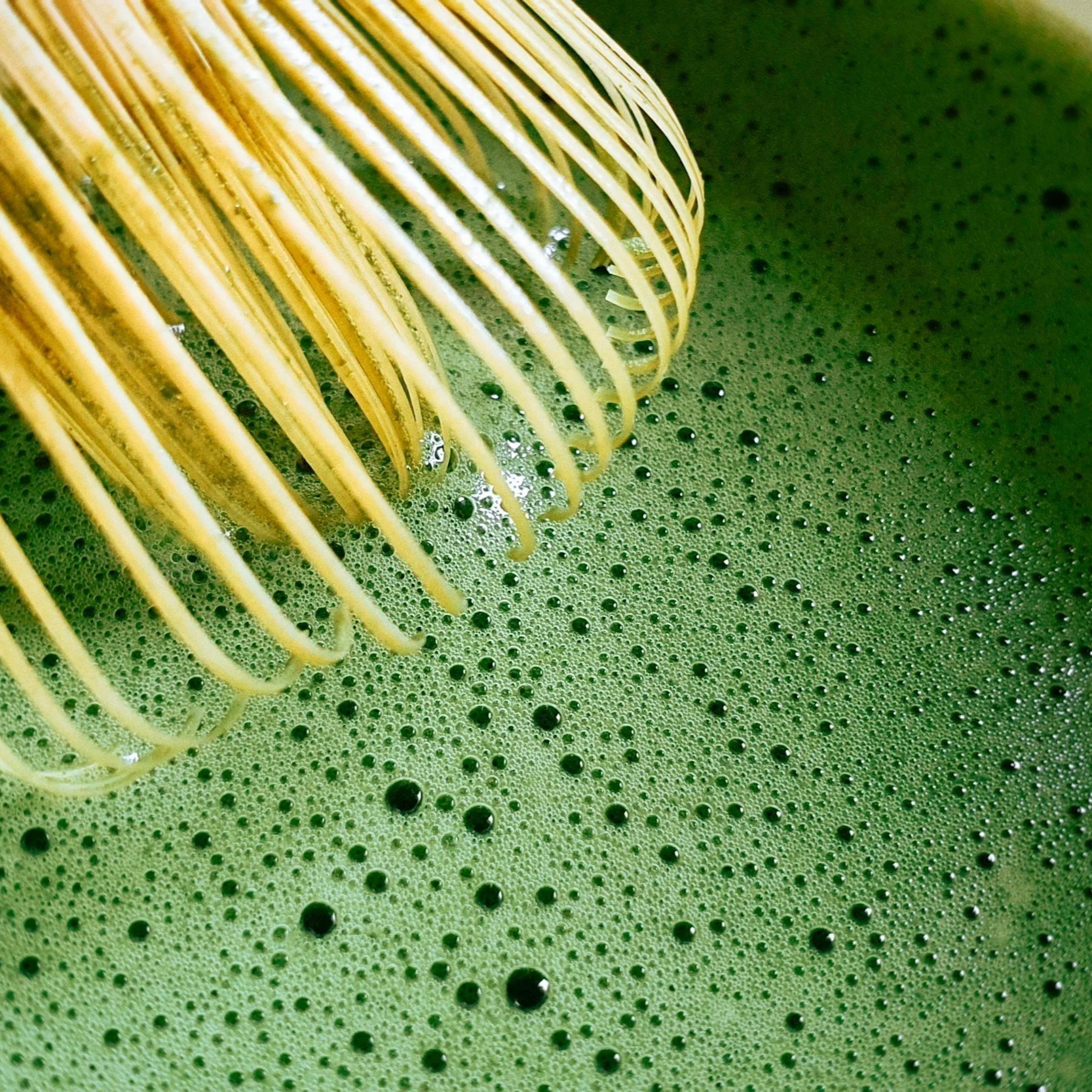
Matcha is having a moment, and most of what is written about it is overstated.
So here is the honest version, including where the research is genuinely good and where it is thinner than the marketing suggests.
Does matcha help you lose weight?
A little, and the size of the effect matters.
Matcha is made from the whole ground leaf rather than steeped and discarded, so you get considerably more catechins than from a tea bag. The one people talk about is EGCG, and combined with caffeine it does increase fat oxidation and energy expenditure.
But the numbers are modest. A meta-analysis in the International Journal of Obesity found green tea catechins produced an average of 1.31 kg over 12 weeks, which the authors described as a small positive effect. Energy expenditure rises by roughly 4%, around 100 calories a day.
The 2018 trial that gets cited most often had women drink matcha before a 30-minute brisk walk and measured a genuine increase in fat oxidation during the walk. The researchers themselves wrote that the effect should not be overstated in the context of weight loss.
So matcha is a small tailwind, not an engine. And one sweetened latte cancels the entire day's advantage, which is worth knowing before you order.
What matcha actually does well
This is where it earns its place, and it has nothing to do with fat burning.
Steady energy without the crash. Matcha contains L-theanine, an amino acid that softens caffeine's edge. You get alertness without the spike and drop, which is why people who cannot tolerate coffee often do fine with matcha.
Fewer cravings by mid-afternoon. Not because matcha suppresses appetite, but because you are not coming down off a caffeine peak at 3pm looking for sugar to climb back up.
Genuinely useful antioxidants. You are consuming the entire leaf, so the polyphenol content per serving is several times that of brewed green tea.
That combination, calm focus and no crash, is the real reason to drink it.
How to choose good matcha
Not all of it is worth buying.
From Japan. Origin matters for both quality and purity standards.
Ceremonial grade for drinking straight, culinary grade for lattes. Ceremonial is smoother and more expensive, and its subtlety is wasted once you add milk.
Bright green. Dull or yellowish means old or low grade, and the antioxidant content drops with it.
Organic where possible, since you are consuming the whole leaf rather than an infusion, which means anything sprayed on it comes with you.
Check out the latest pantry products in Coco's Picks.
Matcha Americano
For purists, and zero calories.
1 teaspoon ceremonial matcha
2 ounces hot water, not boiling
6 ounces additional hot water
Sift the matcha into a mug. Add the small amount of water and whisk until smooth with no lumps. Pour in the rest, whisk until frothy.
Matcha latte
Tastes like dessert, behaves like a drink.
1 teaspoon culinary matcha
2 ounces hot water
6 ounces warmed and frothed unsweetened nut milk, almond, coconut or macadamia
Optional: half a dropper of liquid stevia, a pinch of Ceylon cinnamon, a little ground vanilla
Sift the matcha, whisk with the hot water until smooth, then pour over the frothed milk and stir.
Iced version: whisk the matcha with 2 ounces of hot water, pour into a glass, fill with ice to an inch below the rim, top with 6 ounces of unsweetened nut milk.
How to order matcha when you are out
Ask one question: is the powder pre-sweetened?
At most chains it is. Starbucks has historically used a blend with sugar listed as the first ingredient, meaning more sugar by weight than tea, and a grande matcha latte lands around 32 grams of sugar, about eight teaspoons. Most of that is in the powder before anyone adds syrup, which is why you cannot simply ask for it unsweetened.
Some locations have moved to an unsweetened powder, so it genuinely varies. Ask.
If the powder is sweetened: order fewer scoops, skip any additional syrup, and treat the drink as a happy calorie rather than a health drink. Which is fine, as long as you know that is what you chose.
If the powder is unsweetened, or you are at a proper tea shop: ask for no syrup, then choose your milk. Whole milk or unsweetened nut milk are best, because the fat slows everything down and keeps you full. Soy is a reasonable middle ground with around seven grams of protein per cup. Skip oat milk, which sits high on the glycemic index and turns a steady drink into a spike.
And never order a sweetened one on an empty stomach. Same rule as any treat: food first, drink after.
The honest verdict
Matcha is a good habit. It is not a weight loss strategy.
Drink it because it gives you focus without the crash, because it replaces a sweetened coffee drink, and because the ritual of making it is a genuinely nice two minutes in your day.
Just do not expect it to do the work. That still belongs to what is on your plate and how you move. Matcha is the small thing you add once the big things are in place.
🤎
Want tips in your inbox? Sign up for The Monthly Newsletter. No BS, only the good stuff.