Why Ozempic Isn't Enough, and What Actually Is.
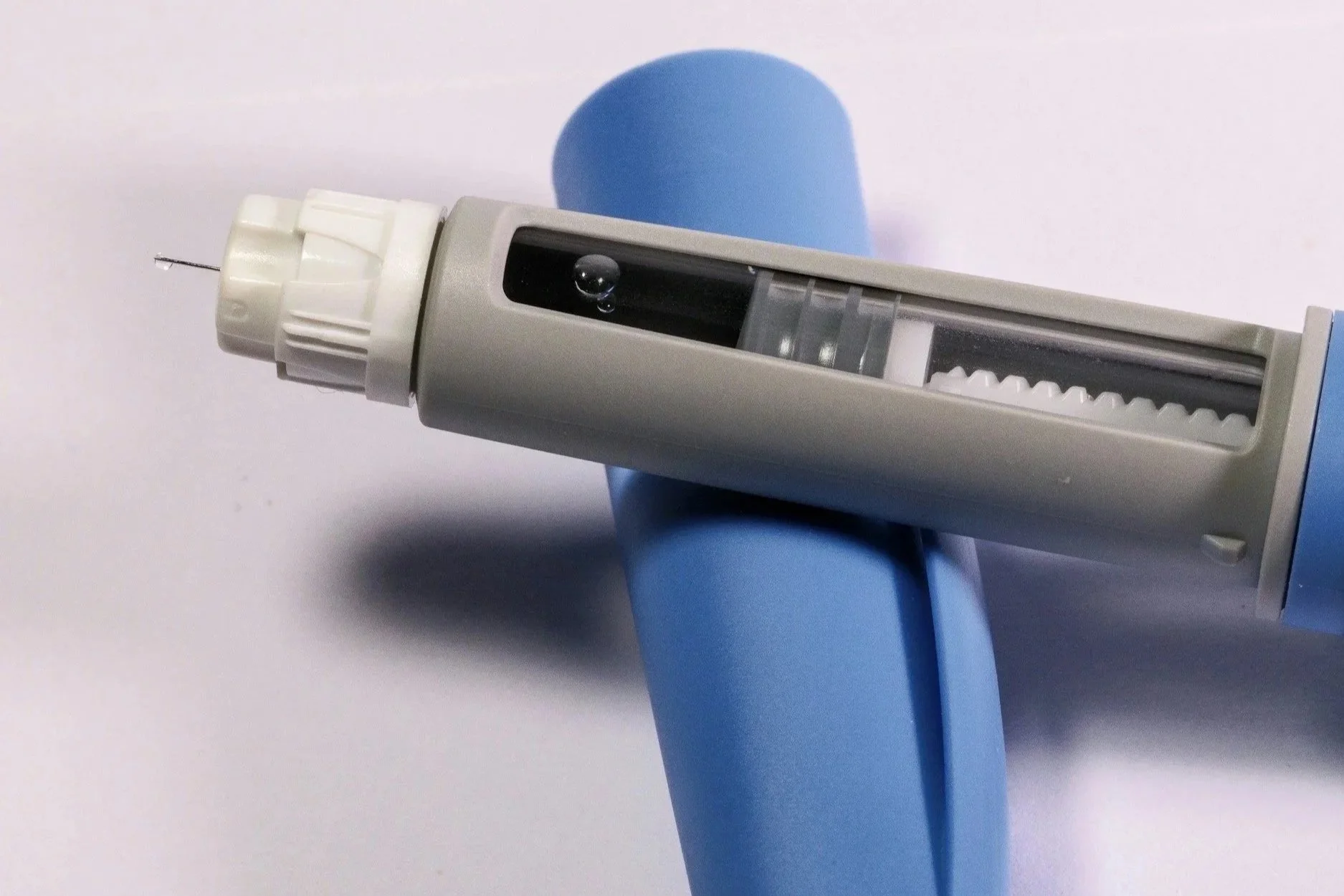
GLP-1 medications like Ozempic, Wegovy and Mounjaro are helping millions lose weight. Here is the part almost nobody is counseled on.
A meaningful share of that weight is not fat.
How much muscle do you lose on Ozempic?
More than most people expect, and the trials measured it.
When researchers scanned body composition in the semaglutide trials, roughly 39% of the weight lost was lean mass. In the tirzepatide trials it was closer to 25%. Lean mass includes water and organ tissue rather than muscle alone, so the muscle figure is lower than 39%, but the loss is real and it matters.
It matters because muscle is a primary driver of your resting metabolic rate. Lose it quickly and your body burns less at rest than its new size alone would predict, which means holding your new weight takes eating less than you did before you started.
That is the trap. Not the medication. The gap around it.
What isn't your doctor telling you?
Usually the nutrition, and this is not a criticism of doctors so much as a system problem.
In 2025 a joint advisory from the American College of Lifestyle Medicine, the American Society for Nutrition, the Obesity Medicine Association and The Obesity Society stated it plainly: most people prescribed a GLP-1 never receive adequate nutrition counseling.
What tends to go unsaid is that you need at least 30 grams of protein per meal, that eating too little makes the muscle loss worse rather than better, that certain foods make the side effects harder, and that your hunger cues are about to change completely so you can no longer rely on them to tell you when to eat.
How much protein do you need on a GLP-1?
The clinical guidance is 1.2 to 1.6 grams per kilogram of body weight per day, which works out to between 100 and 150 grams for most adults, or at least 30 grams a meal.
Three things make that achievable when your appetite is gone.
Protein first, at every meal, even when you are not hungry. Greek yogurt at breakfast, chicken at lunch, fish at dinner. Thirty grams is roughly five ounces of chicken or fish.
Eat on a schedule rather than on hunger. Appetite is no longer a reliable signal, so the meal has to be decided in advance. This is where strategic snacking does real work.
Use shakes and bars to close the gap, not to replace meals. When you physically cannot finish a plate, a quality protein shake gets you to target without forcing food down. The ones I recommend are in the Eat Shed Glow® picks.
And protein alone is not enough. It needs somewhere to go, which means resistance training two or three times a week. Protein supplies the material. Training gives the body a reason to keep it.
What about women in perimenopause?
This is the group I am currently working with most on GLP-1s, and the caution matters more here than anywhere.
Estrogen supports both muscle and bone, so its decline is already pulling both downward. Adding rapid appetite suppression on top of that, without enough protein and resistance training, means losing muscle and bone at the stage of life when they matter most.
Nothing about that says do not take the medication. It says the nutrition is not optional here in a way it might be elsewhere.
What happens when you stop?
Appetite returns, to a body that now burns fewer calories at rest than it did before.
In the STEP 1 trial extension, which followed people for a year after stopping semaglutide, participants regained about two-thirds of what they had lost. But that study withdrew the structured lifestyle support at the same moment as the medication, so it cannot tell us what the drug alone was holding.
SURMOUNT-4 answers that. Those participants kept their lifestyle counseling after tirzepatide was withdrawn, and they still regained roughly 14%.
Read the pair together and the message is clear. Coming off is hard, and coming off with nothing in place is much harder. Real-world data show up to 65% of people stop within a year, which makes the exit the most common part of this experience, not the rare one.
Making a GLP-1 work long-term
This was never medication or nutrition. It is both, in sequence.
The drug opens a window where food noise goes quiet and eating gets easier to control. What you build during that window is what you keep afterward.
So while you are on it: protein at every meal, non-negotiable. Eat on a schedule despite the reduced appetite. Train two or three times a week. And get proper support for the transition off, which is the part almost nobody plans for and everybody eventually needs. That is what the Eat Shed Glow® method is built to do.
The medication is a powerful tool. It is not a complete solution. Use the quiet to learn how to eat, and the results outlast the prescription.
🤎
Want tips in your inbox? Sign up for The Monthly Newsletter. No BS, only the good stuff.