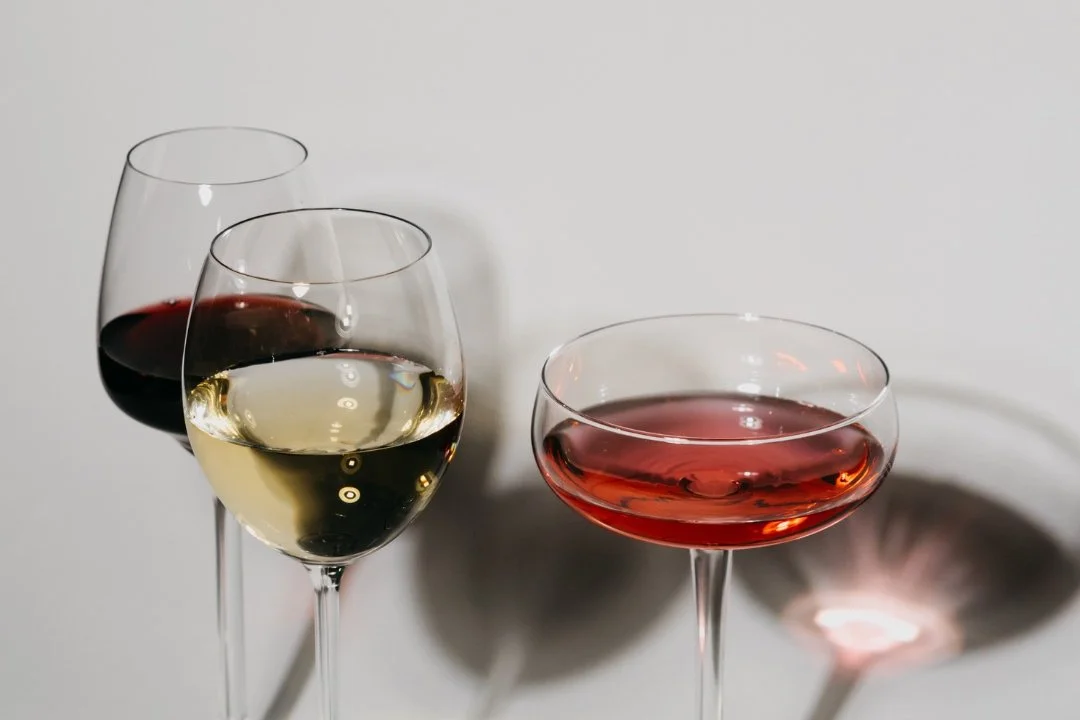
Celebrities are launching non-alcoholic spirits, your coworker is doing Dry January in September, and social media is full of people sharing their alcohol-free journeys.
But what does sober curious actually mean, and is it right for you?
I do not believe in all-or-nothing approaches to anything, including alcohol. This is about making informed choices that work with your real life.
What does sober curious mean?
It means examining your relationship with alcohol without committing to complete sobriety.
Questioning your drinking habits. Trying periods without alcohol. Being deliberate about when and how you drink, rather than defaulting to it.
Unlike traditional sobriety programs, which are built around addiction recovery, sober curiosity is about awareness. Nobody is asking you to pick a side.
Does alcohol stop fat burning?
It interrupts it, and that is the honest version.
When you drink, your body treats alcohol as the priority. It cannot be stored, so your liver clears it before returning to anything else, and fat burning waits its turn. That is why the effect outlasts the drink itself.
Then there is the second half, which nobody talks about. Alcohol lowers inhibition, which is why the 11pm decision about food rarely resembles the 6pm one.
For the full picture on how alcohol interacts with weight loss, and how to drink without derailing progress, read alcohol and weight loss.
How do you drink less without quitting?
Two strategies that work in real life.
Alternate. When you are out, put a water or a good non-alcoholic option between each drink. You end the night with half the alcohol and none of the awkwardness of holding nothing.
Claim the boring nights. Aim for three or four alcohol-free nights a week, and make them Sunday through Wednesday. Your metabolism gets a run of clear days and you keep your social flexibility for the weekend.
Neither requires announcing anything to anyone.
What are the best non-alcoholic drinks?
For years the alternatives were sugar water in a nice bottle. That has finally changed.
Dealcoholized wine is not grape juice. Dealcoholized wine is real wine with the alcohol removed, so it keeps the complexity and stays low in sugar. Grape juice is sugar. Worth trying: French Bloom, sparkling and dry. Noughty, organic. Little Saints, functional spirits made with adaptogens.
And the ones to skip. Virgin cocktails, which are usually the same drink with the alcohol swapped for more syrup. Grape juice based mocktails. Kombucha cocktails, which carry more sugar than the probiotic marketing suggests.
Check the label the same way you would with anything else. If it is over five grams of sugar a serving, it is a dessert.
When you do drink, what should you choose?
Quality, and simplicity.
Avaline makes organic wines without added sugars or unnecessary additives, which is exactly the kind of better choice worth knowing about.
For cocktails, the rule is fewer ingredients. A dry martini with gin or vodka and minimal vermouth. Tequila with seltzer and a squeeze of lime. Dry wine rather than dessert wine. Anything with syrup in it is a sugar delivery system with a garnish.
Questions worth asking yourself
How does alcohol affect my sleep?
Am I drinking out of habit or genuine enjoyment?
How do I feel the morning after?
Am I using it to manage stress or social anxiety?
Does this fit with what I am trying to do for my health?
There are no right answers. The point is that you have actually asked.
The verdict
Being sober curious does not require you to take a position on alcohol forever. It requires you to notice how your choices affect your energy, your sleep and your goals.
Whether that leads you to drink less, drink better, or not at all is entirely yours to decide. Avoid the pendulum, the swing from nightly wine to total restriction and back again, because that is the same all-or-nothing thinking that fails everywhere else.
The goal was never perfection. It is paying attention.
🤎
Want tips in your inbox? Sign up for The Monthly Newsletter. No BS, only the good stuff.