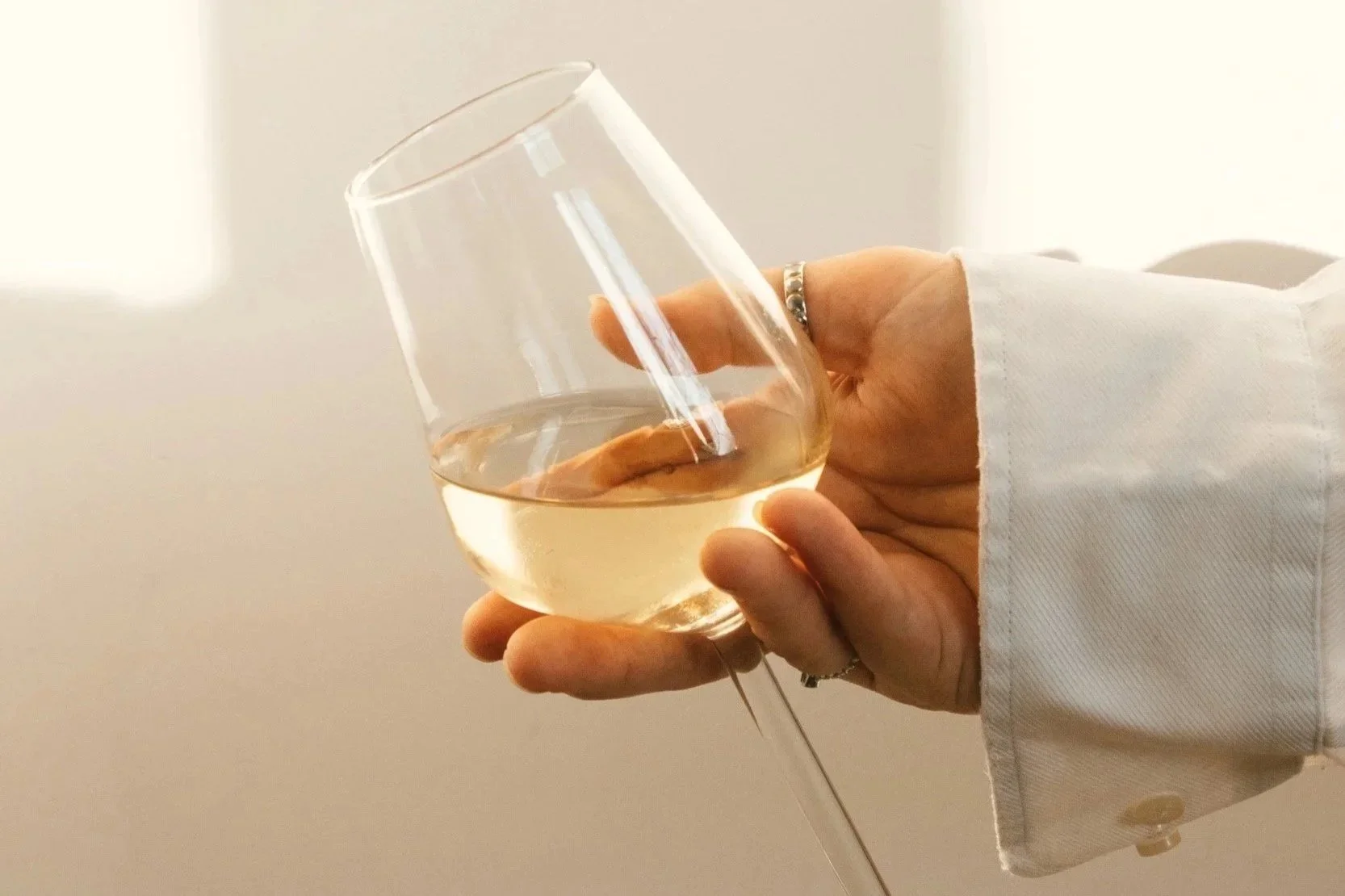
Yes, you can drink alcohol and still lose weight, but it helps to understand what alcohol actually does first.
It is happy hour season: the sun is out, the invitations are rolling in, and the drinks are flowing. If you are trying to lose weight or feel better in your body, alcohol can feel like a roadblock.
You do not have to cut it out completely. You just need a plan. I teach clients how to enjoy real life while shedding weight, wine nights, celebrations, and cocktails included. The whole game is staying intentional, not restrictive.
Does alcohol really affect weight loss?
Yes, but not only in the way most people think.
It is not just the calories in the glass. The bigger issue is what your body does the moment alcohol arrives: it stops everything else to deal with it first. Your body treats alcohol as something it cannot store, so it drops every other metabolic task to process it, and while that is happening, fat burning is on pause.
There is a calorie piece too. Alcohol carries about 7 calories per gram, closer to fat than to carbohydrates, with zero nutritional value. So one glass of wine with dinner is not the problem. Three on a random Tuesday because the day was hard is a different story.
That is the real distinction. Not whether you drink, but whether the drink was chosen. Alcohol also spikes and crashes your blood sugar, raises cortisol, lowers your inhibitions enough to lead to overeating, and disrupts your sleep, all of which quietly work against your goals.
What are the smartest ways to drink while losing weight?
The whole skill is deciding before you are holding the glass. A few moves do almost all the work:
Eat before you drink. Never alcohol on an empty stomach. Protein and healthy fat before the first sip keeps your blood sugar steady. The party can wait fifteen minutes.
One glass of water between every drink. Non-negotiable. This single move decides whether one fun night costs you three days of feeling like garbage.
Stop about three hours before bed. A drink right before sleep wrecks your sleep architecture and spikes cortisol at 3am. Stopping early enough to actually metabolize is what protects the next day.
Eat earlier on drinking nights. A heavy late dinner plus alcohol plus a late bedtime is the worst version of all three.
Decide your number before you go out. Choosing while you are clear-headed is easy. Choosing at the bar, three in, is not. For most people that number is one or two.
Do not be fooled by mocktails. Zero proof does not mean zero sugar. Most are juice, syrup, and soda, sometimes more than the cocktail they replaced, which means the same blood sugar spike and cravings without even the fun. Order it properly instead: soda water, fresh lime or cucumber, bitters, nothing sweet.
Does alcohol dehydrate you more than you think?
Considerably, and it is one of the reasons the next day feels so much worse than the drinks warranted.
Alcohol pulls fluid and minerals out fast, and it is one of the worst offenders for depleting sodium, potassium, and magnesium. That is why plain water alone often does not fix a rough morning. Water plus electrolytes does. Here is why hydration is a stress lever, not just a thirst one.
The electrolytes I actually recommend are in Coco's Picks: Hydration. Some links are affiliate links, which means I may earn a commission at no additional cost to you.
What is the best alcohol for weight loss?
Clear spirits with soda, dry wine, and brut sparkling. Most of the damage from drinking is not the alcohol itself, it is the sugar wrapped around it.
A margarita is dessert with tequila inside. A piña colada is a milkshake. An espresso martini is coffee cake in a glass. The rule is simple: do not drink your dessert.
That does not mean you can never have the show-off drink. If there is one cocktail you genuinely love, have it. The perfect negroni, the proper martini, the one that is actually worth it. Have it first, enjoy every sip, then stop there or shift to something simpler for the rest of the night. You do not need three negronis to taste the best one on the menu. The first one was the experience. Everything after it is just sugar you stopped noticing.
For the rounds after the special one:
Instead of a margarita, tequila on the rocks with soda and fresh lime
Instead of an espresso martini, a dry dirty martini, no vermouth. Go as filthy as you want, the olive brine is basically free
Instead of a vodka cranberry, vodka, plain soda water, and a squeeze of lemon or lime
Instead of a gin and tonic (tonic is sugar), a gin and soda with cucumber or lime
Instead of sweet wine or sangria, a dry red or white
Instead of sugary prosecco, brut champagne, cava, or brut prosecco, not extra-dry, which is confusingly sweeter
Instead of a mojito or daiquiri, a spirit with soda and muddled fresh fruit, no syrup
The pattern, once you see it: have the one you love, then go clear spirit or dry wine, soda not tonic, fresh citrus not juice, nothing sweet in the glass. Same fun, smarter math.
Can you drink on Ozempic, Wegovy, or Mounjaro?
You can, but it deserves extra care, and it is worth raising with your prescriber.
GLP-1 medications slow digestion and quiet appetite, which means a drink can hit a much emptier system than it used to. For most people the combination hits harder than alcohol alone. One drink can feel like three.
Smaller pours, more water, an even earlier stop time, and always eating alongside your drink. Many people also find their interest in alcohol fades considerably on these medications, which is worth noticing rather than pushing through. More on the whole picture: GLP-1 Nutrition Support.
Does alcohol hit harder in perimenopause and menopause?
Often, yes.
Bodies in this stage tend to process alcohol more slowly, sleep is already more fragile, and alcohol can intensify hot flashes and night sweats that were disrupting rest to begin with. Layer that on the metabolic shifts of midlife and the same glass of wine that felt free in your thirties can carry a higher cost now.
Not a reason to brace for deprivation. A reason to be more deliberate about when and how the drink shows up. Here is what else changes after 40.
Where does alcohol fit in the Eat Shed Glow® method?
Inside Pillar 5: Treat Yourself. Alcohol is not a slip or a cheat here, because there is no such thing in this method.
It is a treat, chosen on purpose and enjoyed without guilt, what I call your Happy Calories. Treating yourself strategically is exactly what proves a method is sustainable for life rather than another diet you eventually quit. When a drink is intentional, balanced with food and water, and timed well, you get to enjoy the wine and keep your progress.
And the part nobody tells you: after a night out, the scale will be up a couple of pounds the next morning. That is not fat. It is water, sodium, and inflammation, and it clears within a few days. The people who panic at that number quit. The people who know the math drink their water, eat their normal breakfast, take a walk, and carry on.
The key takeaway
You do not have to give up alcohol to reach your goals. You just have to stop drinking on autopilot.
Eat first, alternate with water, choose the simpler swap, stop early, and decide your number before the night begins. When you drink with purpose and support your body with food and rest, you can stay social and still see results.
That is what the Eat Shed Glow® method teaches: sustainable weight loss with structure, flexibility, and joy.
🤎
Want tips in your inbox? Sign up for The Monthly Newsletter. No BS, only the good stuff.