The Best Sleep Supplements for Weight Loss.
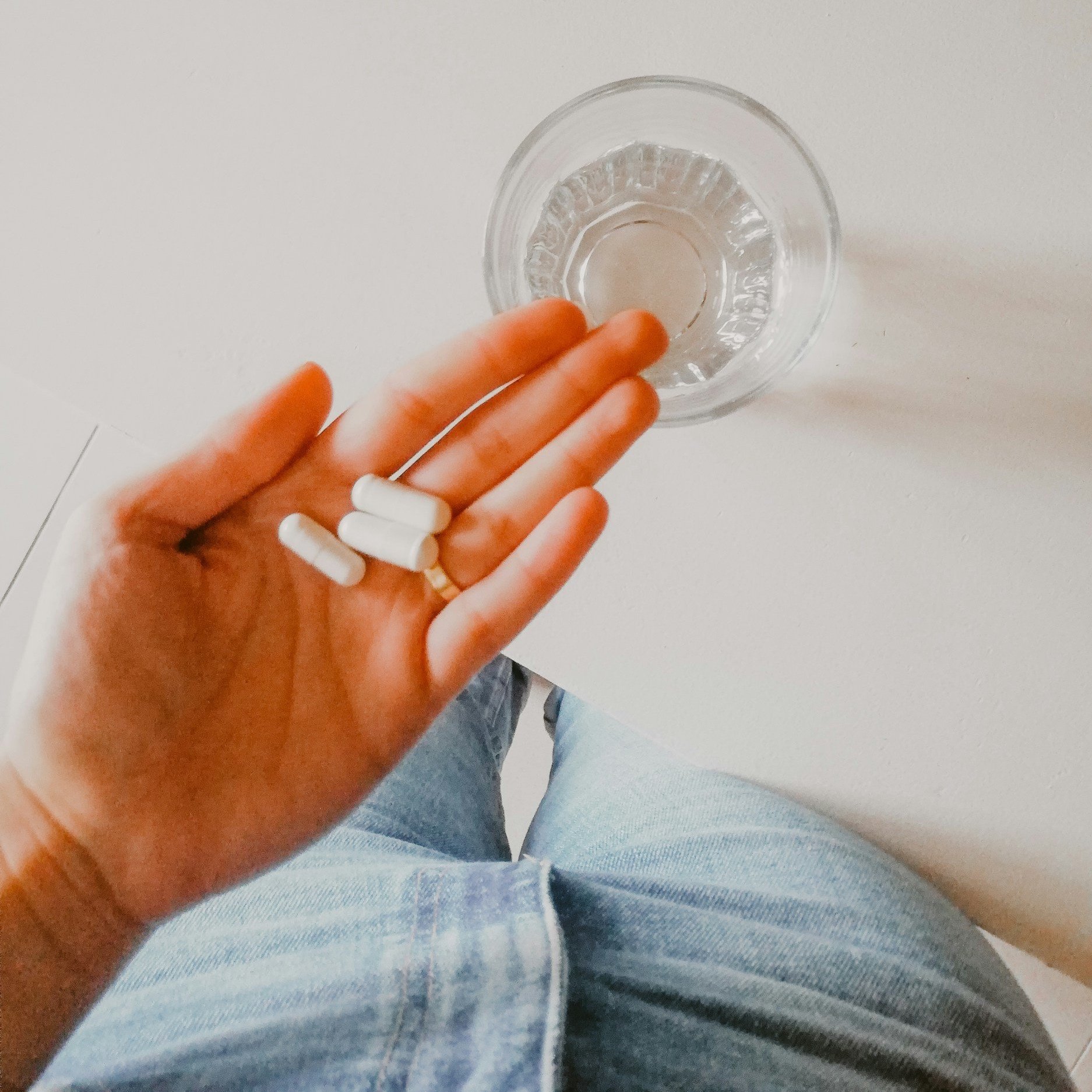
If you are doing everything right and the weight will not move, sleep is one of the first places I look.
When you are not sleeping well, your body holds on. Cortisol stays elevated instead of resetting overnight, the hormones that regulate hunger and fullness drift out of balance, and your body reads the whole situation as a threat rather than a good time to let go of stored fat.
The first job is helping your body feel safe enough to rest. That starts with sleep habits, and supplements come second.
Before you start: talk to your doctor before adding any supplement, particularly if you take medication or are pregnant or breastfeeding. Several of the options below have real interactions.
Which sleep supplement should you take?
Start with the problem you actually have rather than the product with the best marketing.
If your mind will not stop spinning: L-Theanine. A calming amino acid found naturally in green tea, it quiets racing thoughts without sedating you. 200 mg, 30 minutes before bed.
If you wake at 2 or 3am and cannot get back down: Magnesium Glycinate. Magnesium helps the body relax, supports melatonin production and lowers nighttime cortisol. The glycinate form is the gentlest on digestion. 200 to 400 mg, an hour before bed.
If you are wired after a stressful day: Ashwagandha. An adaptogen that helps the body recover from stress and lowers cortisol over time. 300 to 600 mg in the early evening with dinner.
This is the one to be careful with. Ashwagandha interacts with thyroid medication, sedatives, immunosuppressants, and blood sugar and blood pressure medications. It is not recommended during pregnancy or breastfeeding, before surgery, or for people with autoimmune or thyroid conditions. Natural does not mean neutral.
If falling and staying asleep are both a struggle: Apigenin. The compound in chamomile, which is why the tea works at all. 50 mg, 30 to 60 minutes before bed.
If you feel overstimulated at bedtime: PharmaGABA. Helps the brain shift out of alert mode. 100 to 200 mg just before bed.
If you wake up hot or groggy: Glycine. It lowers core body temperature slightly, which is part of how the body initiates sleep. 3 g, 30 to 60 minutes before bed, which is the dose used in the research.
If you are tired but wired all day: Rhodiola Rosea. 100 to 300 mg in the morning or early afternoon, never at night, because it can be stimulating.
If you would rather not assemble a routine: Insomnitol combines several of these in one capsule. 1 to 2 capsules before bed, per the label.
Can you take them all together?
No, and you should not want to.
Start with one or two, chosen for your biggest sleep problem. Give it a week. Only add another if you genuinely need it, and stay within label doses.
Most people do fine with magnesium and glycine together, or with a blend like Insomnitol on its own. Stacking six things means you learn nothing about what is working, and you spend more for the privilege.
Check what you are already taking
Some supplements work against sleep if the timing is wrong. B12, iron and vitamin D are better in the morning. Some medications also disrupt sleep as a side effect.
A quick conversation with your doctor or pharmacist tells you whether your current routine is helping or quietly working against you.
Why sleep matters for weight loss
Because it is the window where everything resets.
Cortisol comes down. Hunger and fullness hormones rebalance, which is why a bad night so often becomes a day of cravings you cannot explain. Your brain clears metabolic waste. Muscle repairs.
Skip it and your body stays braced, and a braced body does not prioritise letting go of stored fat. That is the same reason chronic stress stalls weight loss.
No supplement replaces the habits. But when the habits are in place and you still cannot get down or stay down, this is where the right one earns its place.
🤎
Want tips in your inbox? Sign up for The Monthly Newsletter. No BS, only the good stuff.