How to Add More Protein for Weight Loss.
If you are stuck, tired, and grazing all afternoon, the odds are good that protein is the missing piece.
Most people are not close to what their body actually needs, and they have no idea, because nothing tells you.
The short version
Aim for 0.7 to 1 gram per pound of body weight daily, 100 to 150g for most adults
At least 30 grams per meal, spread across the day rather than loaded at dinner
Breakfast is where almost everyone falls short
No tracking required. Use your palm
How much protein do you actually need?
Between 0.7 and 1 gram per pound of body weight per day, which lands most adults between 100 and 150 grams.
At 150 pounds, that is 105 to 150 grams. Aim for at least 30 grams at every meal rather than one enormous dinner, because your body can only use so much at once for building and repair.
The number sounds high because most people are eating half of it. That gap is exactly where weight loss stalls.
What happens when you do not eat enough protein?
Your body starts making trade-offs you can feel.
Constant hunger and grazing
Sugar cravings, especially at night
Feeling soft, or losing muscle tone
Low energy, brain fog, mood dips
No progress despite eating well
None of these prove a protein gap on their own. Several of them together usually do.
Protein is also what protects the muscle driving your metabolism. Lose that, and the same food starts landing differently on the same body. More in how much protein you actually need.
How do you hit it without counting?
Use your palm. It scales to your body, and it travels.
Each meal gets one to one and a half palm-sized portions of protein. Roughly 30 to 40 grams for most women, 40 to 50 for most men. For shakes, one to one and a half scoops.
That is the whole system. No app, no scale, no logging a Tuesday you would rather forget.
How do you add more protein to breakfast?
This is where almost everyone falls short, and fixing it changes the entire day.
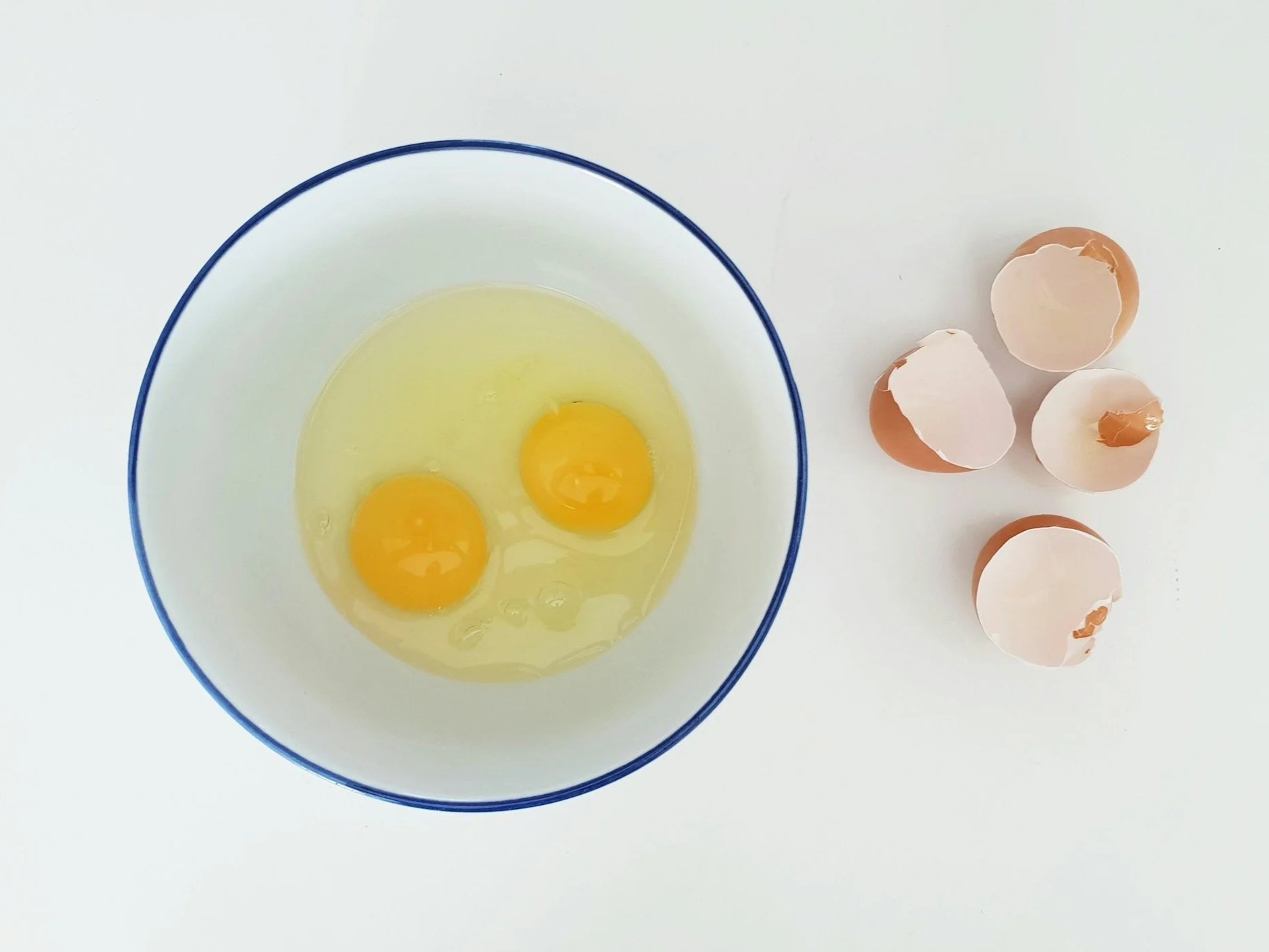
Add egg whites to your usual two eggs
Use one and a half servings of protein powder in your shake
Swap toast for cottage cheese, smoked salmon, or nitrate-free bacon
Sprinkle two to three tablespoons of hemp seeds on anything
Start the day at 30 grams and the 3pm crash mostly stops happening. It is the single change with the biggest ripple.
What should you prep and snack on?
Cook two or three proteins at the start of the week and you are never caught out.
Shredded chicken. Turkey or beef meatballs. Hard-boiled eggs. Roasted salmon.
For snacks, reach for something real: tuna or egg salad in lettuce cups, turkey and avocado roll-ups, leftover grilled chicken, grass-fed beef sticks, or a low-sugar protein bar. More on timing in strategic snacking, and the ones I keep on hand are in my protein collection.
Which protein sources are worth choosing?
The closer to its original form, the better it works for you.
Reach for: organic pasture-raised eggs, wild-caught fish and seafood, grass-fed meats, and protein powders with short, recognisable ingredient lists.
Go easy on: processed deli meats, soy protein isolates common in vegan meats and frozen meals, and protein bars built on gums, fillers, and artificial sweeteners. These can drive low-grade inflammation, and an inflamed body prioritises fighting that over losing fat.
Not a rule about purity. Just the difference between protein that works for you and protein that quietly works against you.
Frequently asked questions
Can you eat too much protein?
For healthy adults, this is largely a myth. Existing kidney disease changes that, so check with your doctor if it applies to you.
Does protein timing matter?
Spreading it matters more than exact timing. Three meals at 30 grams beats one dinner at 90, even at the same daily total.
Are plant proteins as good?
They can be, with more attention. Beans and lentils are carbohydrates with protein attached, so they support a plate rather than lead it. Tofu, tempeh, edamame, and a quality powder do the job better.
Do I need more protein after 40?
Yes. Older muscle responds less readily to protein, so the per-meal threshold rises. Same food, higher requirement.
Do I need more protein on a GLP-1?
The requirement is similar, but hitting it is far harder because appetite is suppressed. See what to eat on GLP-1 medications.
🤎
Want tips in your inbox? Sign up for The Monthly Newsletter. No BS, only the good stuff.