Magnesium for Cravings, Sleep and Stress.
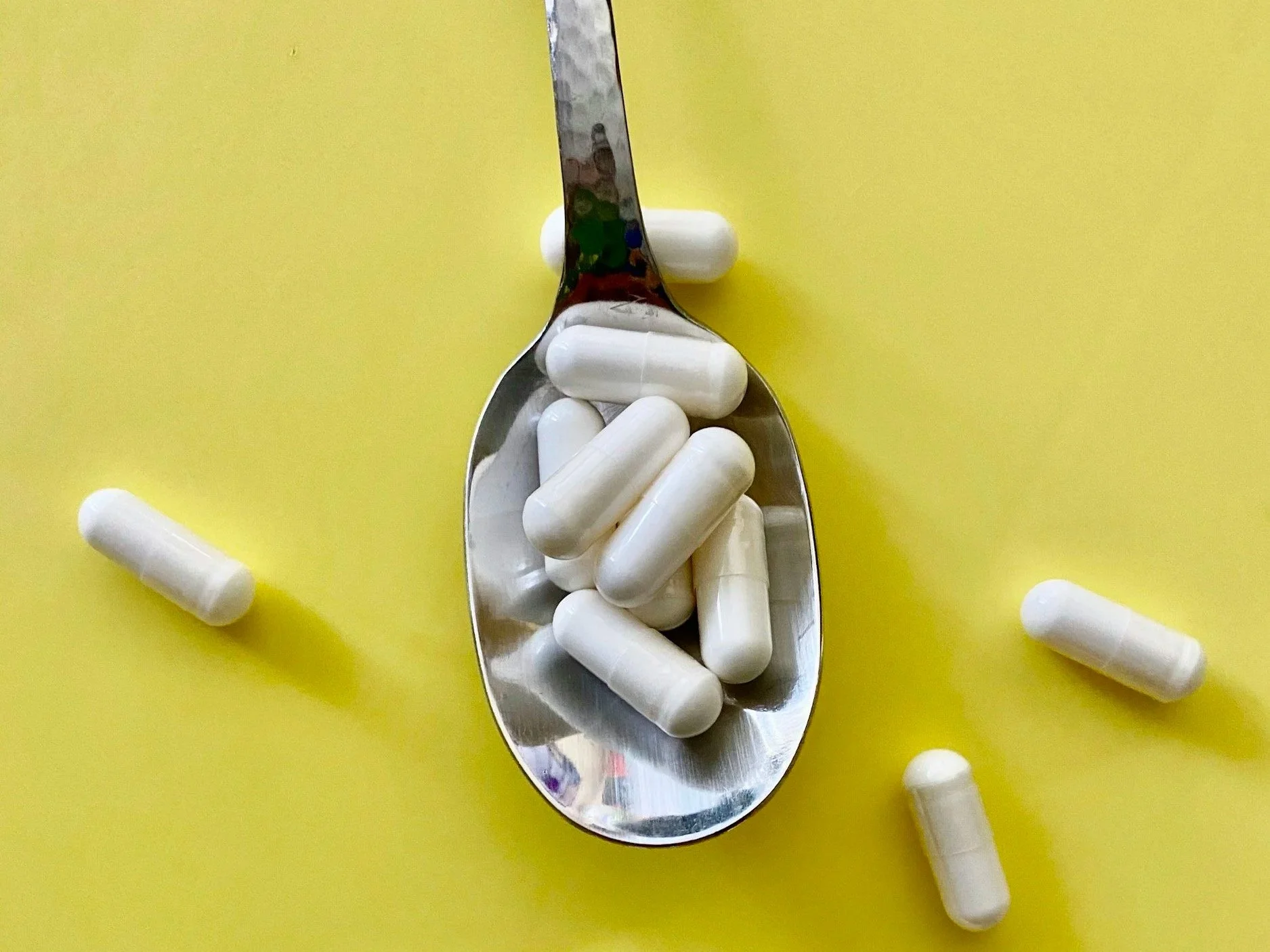
If you take one supplement, make it magnesium.
Around half of US adults consume less than the estimated requirement, and that is inadequate intake rather than diagnosed deficiency, but the gap is real and it shows up in exactly the places that make weight loss harder. Cravings that will not quit. Sleep that does not restore. A nervous system running hot.
Here is what it does, which form to buy, and how much to take.
Why does magnesium matter for weight loss?
Because it is involved in the three things that derail most people.
Blood sugar. Magnesium is required for insulin to work properly. Run short and blood sugar becomes less stable, which means more crashes and more of the sharp cravings that arrive with them. This is the mechanism behind the sweet and salty craving that hits at 4pm and feels impossible to ignore.
Your nervous system. Magnesium regulates the stress response and supports the neurotransmitters involved in calm. Low magnesium and high stress feed each other, because stress depletes magnesium and low magnesium makes you less resilient to stress.
Sleep. It supports melatonin production and helps lower nighttime cortisol. Poor sleep raises hunger hormones the next day, so this one compounds.
Beyond that it supports bone density alongside calcium, helps muscles relax and recover, and is involved in digestion and regularity.
Why are so many people short?
Two reasons, and neither is about effort.
The food has less in it. Soil mineral content has declined over decades of intensive farming, so the same vegetables deliver less magnesium than they used to.
Modern life burns through it. Stress, alcohol, caffeine and heavily processed food all increase how much magnesium you lose or reduce how much you absorb.
Food first, always. The best sources are pumpkin seeds, dark leafy greens, almonds, black beans, avocado and dark chocolate. But for a lot of people diet alone does not close the gap.
Which magnesium should you avoid?
Not all forms behave the same, and the cheap ones are cheap for a reason.
Oxide. Poorly absorbed, and it mostly acts as a laxative. It is the most common form in supermarket supplements because it is inexpensive, not because it works.
Citrate. Well absorbed, but it draws water into the bowel, which is why it is used for constipation. Fine if that is what you want, uncomfortable if it is not.
Carbonate. Useful for acid reflux, laxative in larger doses.
Which magnesium should you take?
Match the form to the problem you actually have.
Glycinate for stress, sleep and cravings. My favourite, and the one I recommend most. Bound to glycine, which is itself calming, and it is the gentlest on digestion. 200 to 400 mg, an hour before bed.
Taurate for blood sugar and heart health. Bound to taurine, which has its own role in glucose regulation. Worth considering if cravings are the main issue.
Gluconate for correcting a genuine deficiency, because absorption is high.
L-threonate for cognition and memory, because it crosses into the brain more readily. The most expensive, and the one to choose only if brain fog is your specific complaint.
How to take it
Start at the lower end, around 200 mg, and build if you need to. More is not better here.
Take it at night if you are using glycinate for sleep. If you are taking it for blood sugar, with dinner works well.
Give it two to four weeks. The sleep effect can show up within days. The craving effect takes longer, because it is downstream of blood sugar stabilising.
Check the label carefully. Supplements often list the compound weight rather than the elemental magnesium, so 1000 mg of magnesium glycinate might only deliver 140 mg of actual magnesium. Look for the elemental number.
And check with your doctor if you have kidney disease or take medication, since magnesium interacts with several common ones including some antibiotics, diuretics and osteoporosis drugs. Too much causes diarrhoea, which is the usual sign to reduce the dose.
What magnesium will not do
Replace the plate.
If your cravings come from meals with no protein in them, magnesium will help at the margin and the pattern will continue. It works best when it is closing a genuine gap rather than compensating for a diet that creates the problem.
Steady blood sugar comes from enough protein, fiber and fat at every meal. Magnesium supports that. It does not substitute for it. More on what your cravings are actually telling you.
Check out the latest supplements in Coco's Picks.
🤎
Want tips in your inbox? Sign up for The Monthly Newsletter. No BS, only the good stuff.