Weight Loss Without Dieting.
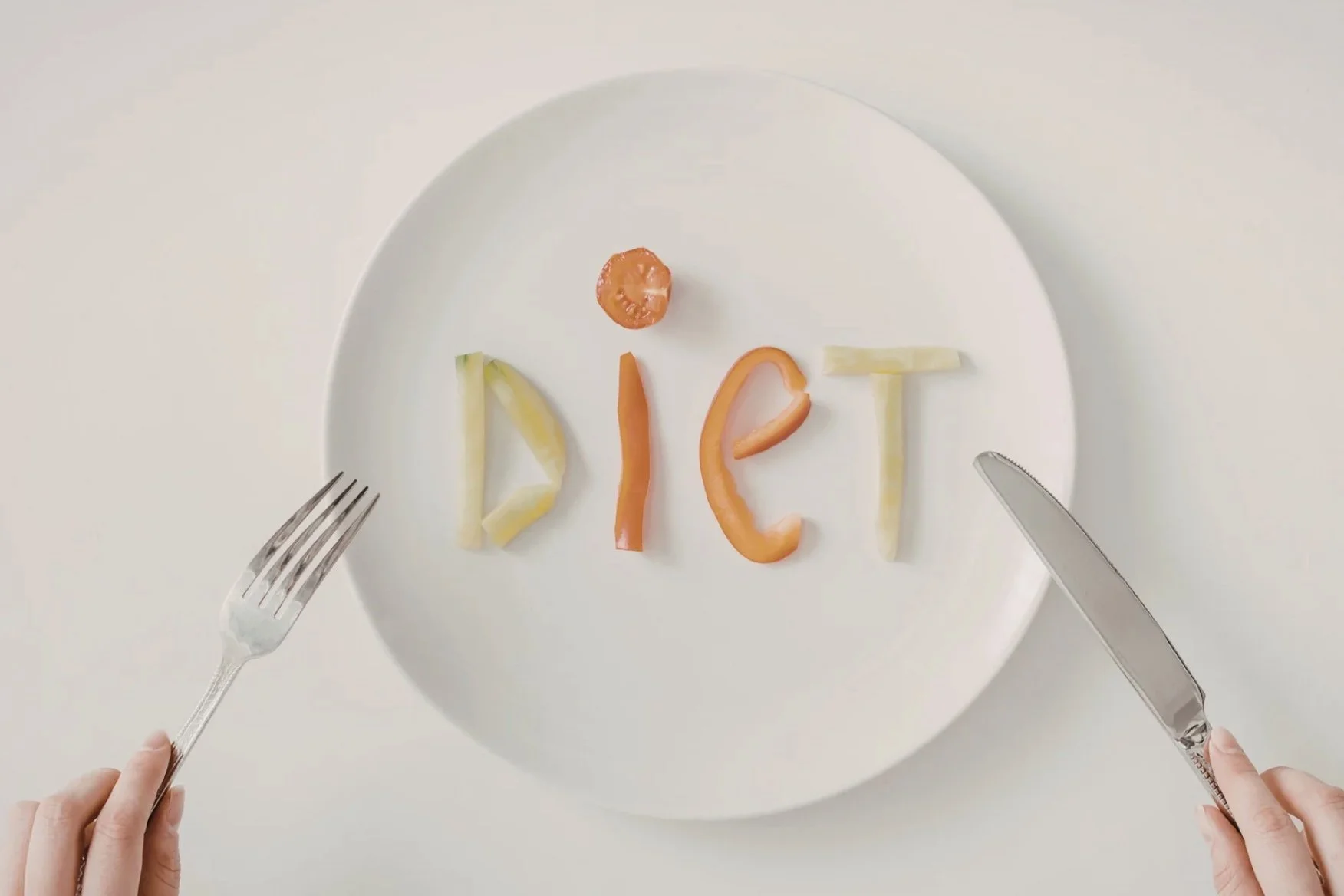
Diets do not fail because the people on them lack willpower. They fail because the model is broken.
Most diets ask you to eat less, count more, eliminate food groups, and white-knuckle your way through cravings. The first few weeks feel like progress. Then real life happens. A vacation, a stressful work week, a holiday dinner, a Tuesday. And the diet falls apart.
The problem was never you. The problem is the design.
Sustainable weight loss does not come from dieting harder. It comes from learning how to eat in a way that fits your real life and your actual body. That is what weight loss without dieting actually means.
What is weight loss without dieting?
It is learning the science behind how your body uses food, then building habits that work with that science instead of against it.
It is not eating whatever you want and hoping for the best. It is also not a clever new diet pretending to be a lifestyle. No calorie counting. No good or bad foods. No starting over every Monday.
Three principles separate it from traditional dieting:
Education over rules. Diets give you rules to follow. Education teaches you why your body responds the way it does, so you can make an informed decision in any situation, including the ones nobody prepared you for.
Personalization over templates. The best diet does not exist. Your body, hormones, schedule, stress levels, food preferences, and history with eating are unique to you. A generic meal plan cannot account for any of that.
Habits over willpower. Willpower is finite. Habits compound. Weight loss was never a willpower problem, it is an understanding problem, and that distinction changes everything.
Why do diets fail?
Because they are built on restriction, and restriction produces a biological rebound your discipline cannot outrun.
They demand perfection. One indulgent meal becomes a reason to abandon the whole plan. The all-or-nothing thinking is designed in, not a personal flaw.
They ignore real life. Diets do not fit business dinners, weddings, travel, or entertaining. The moment life gets full, the diet has to go.
They blame you when you regain. Long-term maintenance genuinely is difficult, and most people regain a meaningful share of what they lost within a few years. That is a well-documented pattern across the research, and it points at the method, not the person following it.
They damage your relationship with food. Years of dieting often produce food anxiety, restrict-and-overeat cycles, and a distorted sense of what normal eating even feels like.
They work against your biology. Restriction ramps up hunger hormones and, with chronic dieting and over-exercising, can suppress metabolic rate. Many lifelong dieters end up with bodies that hold onto weight more stubbornly than before they ever started.
What are the five pillars of weight loss without dieting?
Balanced meals, strategic snacks, lifestyle, movement, and treating yourself. This is the core framework of the Eat Shed Glow® method. No calorie counting, no apps.
1. Build visually balanced meals. Every plate has protein, healthy fats, complex carbohydrates, and vegetables in the right visual proportions. No measuring, no tracking. A palm of protein, half the plate vegetables, a cupped handful of carbs, a thumb of healthy fats. It works at home, at restaurants, when traveling, and on the go. Start with how much protein you actually need.
2. Pick strategic snacks. Snacking is not the problem. Strategic snacking is the solution. Two a day at the right times steady your blood sugar, prevent cravings, and protect your energy.
3. Optimize your lifestyle. Sleep, stress, hydration, and hormones drive weight loss more than most people realise. Stress alone will hold weight on no matter how carefully you eat, and dehydration is one of the easiest stressors to remove. Address these and weight loss becomes possible. Ignore them and no diet will ever work.
4. Find movement that works. Exercise should fit your life, not the other way around. The best workout is the one you actually do consistently. A daily walk beats the class you dread and skip.
5. Treat yourself. A dirty martini, fries, chocolate, dinner out. Real life includes these, and a method that excludes them is a method you will eventually quit. I do not believe in cheating or cheat days, because that is diet language that assumes you are doing something wrong. Those are your Happy Calories, chosen on purpose.
Who does this work for?
Anyone who wants results that outlast the effort, which is most people who have already tried the alternative.
People who have tried every diet, Keto, Whole30, Weight Watchers, Noom, Atkins, intermittent fasting, and gained the weight back
Busy professionals who cannot meal prep on Sundays
Clients on GLP-1 medications who need habits in place for when they come off, which is exactly what GLP-1 nutrition support is built for
Anyone navigating postpartum, perimenopause, or menopause
People who want to lose weight without giving up restaurants, travel, social life, or favorite foods
It does not work as a quick fix. It is not for someone looking to lose 30 pounds in 30 days.
What does sustainable weight loss actually look like?
Slower and far less dramatic than the internet promises. Roughly one to two pounds a week, sometimes less. Steady, boring, real.
It includes weeks when the scale does not move and weeks when it drops. It includes vacations where you enjoy the food and stay on track. It includes business dinners where you order what you want and do not undo your week.
And after the weight comes off, it stays off, because the habits that lost it are the same habits maintaining it. There is no transition to a maintenance phase, because you were never on a plan you had to come off.
Where do you start?
With one meal, not a whole overhaul.
Eat 30 grams of protein within an hour of waking, and do it for one week. Most people start the day on fast-digesting carbohydrates, which sets off the spike and crash that has them reaching for sugar by 3pm. Lead with protein and you steady your blood sugar from the first bite, which quiets cravings, levels your energy, and even helps you sleep.
It is the simplest change with the biggest ripple, and most people feel it within days.
Frequently asked questions
Can you really lose weight without dieting?
Yes, and it is the only version that tends to last. What changes is the method: structure and understanding rather than restriction and rules.
How fast will you lose weight without dieting?
Roughly one to two pounds a week, sometimes less. Slower than a crash diet, and it stays off, which is the entire point.
Do you have to count calories?
No. The Eat Shed Glow® method uses a visual plate rather than an app, which is what makes it work at a restaurant, on a trip, or on a chaotic Tuesday.
Are any foods off limits?
No food group is eliminated. Treats are chosen on purpose rather than earned or apologised for.
Does this work if you are on a GLP-1?
Yes, and it matters more, because the medication handles appetite but never teaches you how to eat. That gap is what determines whether results hold.
What if you have dieted for decades?
That is the most common starting point in my practice. Years of restriction make the work harder, not impossible, and the first thing that usually needs rebuilding is trust rather than discipline.
Eat Shed Glow® for sustainable weight loss
Diets work for six weeks. Education works for life.
The Eat Shed Glow® method is built for people who are done with the diet cycle. 1:1 coaching, a personalized Roadmap, and the tools to lose weight and keep it off without dieting, counting calories, or restriction.
🤎
Want tips in your inbox? Sign up for The Monthly Newsletter. No BS, only the good stuff.