Food Noise: How To Shut It Off.
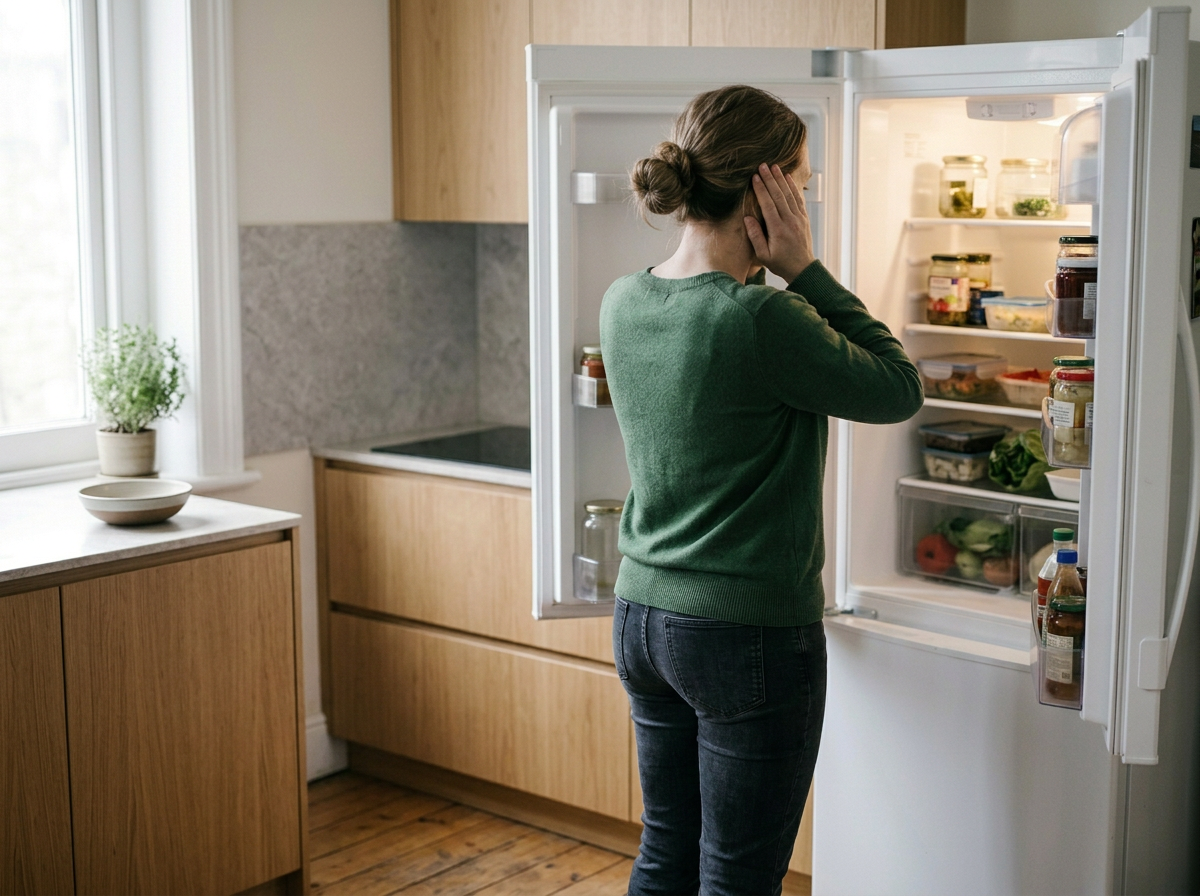
There is a voice in your head negotiating with the pantry at 9pm. It is not a character flaw. It has a name, a mechanism, and an off switch.
The short version
Food noise is the constant mental chatter about eating: what, when, how much
It is usually blood sugar and low protein, not weakness
GLP-1 medications quiet it chemically, which is real relief
Meals built right quiet it too, and that version does not run out with a prescription
What is food noise?
Food noise is the constant background chatter in your head about food when you are not physically hungry.
It sounds like I need something crunchy, or I just want something sweet, or why can I not stop snacking at night. It shows up as cravings, distraction, and impulsive eating, and it gets loudest when you are tired, stressed, or running on empty.
You might call it a sweet tooth. You might blame willpower. It is neither. It is your body flagging that something is off, and the something is almost always what happened at your last meal.
What causes food noise?
A plate that did not do its job.
When a meal is short on protein and fat, or missing fiber-rich vegetables, your blood sugar spikes and then drops below where it started. Hunger hormones stay switched on. Cravings return within the hour. That is not a mindset problem, it is chemistry running on schedule.
Most diets cut calories and ignore how a meal actually affects hunger. So you eat technically enough and think about food all day anyway.
Do GLP-1 medications stop food noise?
Yes, and for many people it is the first quiet they have had in years.
Medications like Ozempic, Wegovy, Mounjaro, and Zepbound reduce appetite and slow digestion. Food stops being overwhelming. Cravings settle. There is no shame in that, and I say so to clients constantly.
The worry I hear is always the same: what happens when I stop. That is a fair worry, and the answer is that the quiet comes back only if you built something underneath it. The full picture is in GLP-1 nutrition support.
How do you quiet food noise without medication?
You build meals your body cannot argue with.
Protein at every meal, at least 30 grams. Non-starchy vegetables for fiber and volume. Healthy fat so the meal actually holds. Carbohydrates that arrive after protein rather than leading. Get that right and the chatter drops within days, because there is nothing left to complain about.
The mechanics are in how much protein you actually need, and if the noise is loudest between meals, strategic snacking is the piece most people are missing.
Why is food noise worse at night?
Because you under-ate earlier and your body is collecting.
Most people who cannot stop eating after 8pm ate too little before 4pm. The body keeps a running tab and settles it in the evening, when willpower is lowest and the kitchen is closest. Fix the day and the night mostly fixes itself.
If the pull is specific rather than general, what your cravings are really telling you decodes it.
Frequently asked questions
Is food noise a real medical term?
It is not a formal diagnosis, but it became widely used once GLP-1 patients kept describing the same thing: the mental chatter about food going quiet. The experience is real and consistent enough that clinicians now use the phrase.
Does food noise mean I have an eating disorder?
No. Food noise is common and usually traces back to blood sugar and meal composition. If eating is causing you real distress, that is worth raising with a doctor or therapist.
How long does it take to quiet food noise with food alone?
Most clients notice a difference within a week of hitting protein at every meal. It is faster than people expect, because you are fixing a signal rather than building a habit.
Will food noise come back after I stop a GLP-1?
Appetite returns, yes. Whether the noise returns depends on whether your meals can hold you without the medication doing it for you.
Is food noise the same as emotional eating?
Not quite. Emotional eating is reaching for food to meet a need food cannot meet. Food noise is your body asking for something it genuinely did not get. They overlap, and they have different fixes.
🤎
Want tips in your inbox? Sign up for The Monthly Newsletter. No BS, only the good stuff.