Red Meat Was Never the Problem. Processed Meat Was.
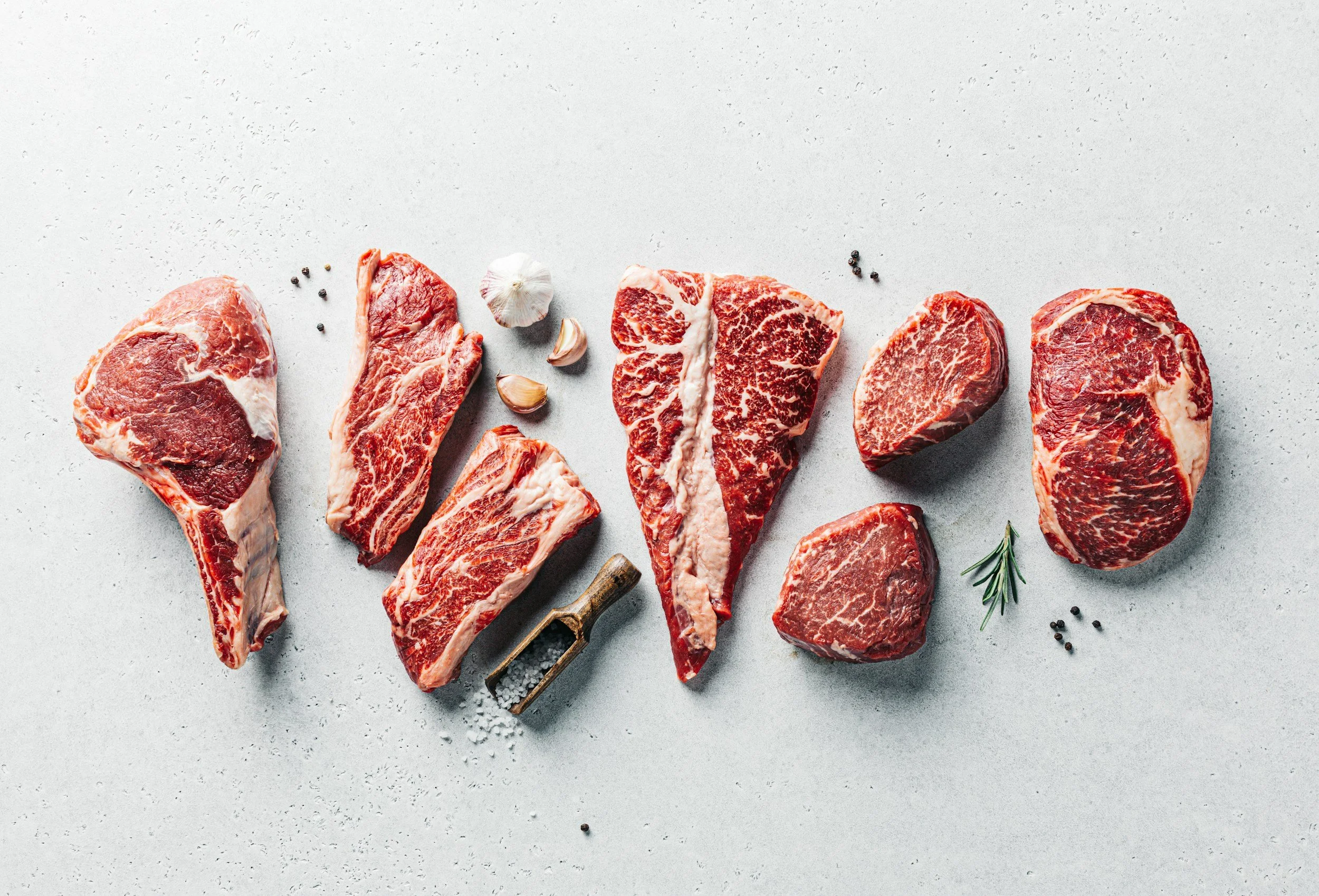
Of all the foods my clients feel guilty about, red meat sits right behind bread. They tell me they have cut it back, or cut it out, and they usually cannot tell me exactly why. Just that they read something.
So let me be clear about where I stand: red meat was never the problem. Processed meat was, and the two got tangled together for decades.
I was recently asked by NBC Select what shoppers should look for when buying meat. This is the fuller version, and it starts with the fear rather than the shopping list.
Is red meat actually bad for you?
Here is the honest picture, and it has two halves that usually get reported as one.
In 2015 the World Health Organization's cancer agency classified processed meat as carcinogenic to humans, its strongest category. It classified unprocessed red meat as probably carcinogenic, a weaker category based on more limited evidence.
Those are two very different findings, and headlines flattened them into "meat causes cancer."
The bigger issue is that much of the underlying research does not cleanly separate a bacon-and-hot-dog diet from a grass-fed steak. It also rarely separates people eating steak alongside vegetables and sleep from people eating processed meat alongside soda, refined carbs, and very little movement.
So what I tell clients is this: the evidence against processed meat is genuinely strong and worth acting on. The case against a quality unprocessed steak, eaten as part of a balanced plate, is far weaker than the fear suggests.
What counts as processed meat?
Any meat preserved by smoking, curing, salting, or adding chemical preservatives. Bacon, hot dogs, deli slices, salami, sausages, jerky.
The concern centers on nitrates and nitrites used in curing, which can form compounds in your gut linked to cancer risk.
And here is the part almost nobody knows: "uncured" and "no nitrates added" on the package usually means celery powder was used instead. Celery powder is a natural nitrate source, so chemically your body is receiving much the same thing. The label is accurate. It is also close to meaningless.
That does not make a bacon sandwich forbidden. It makes processed meat an occasional food rather than a daily staple, which is the same principle I apply to everything: the foods you eat every single day are what your body is actually built from.
What actually makes meat nutritionally better?
What the animal ate, and how it lived.
Grass-fed and pasture-raised beef carries a better omega-3 to omega-6 ratio, more vitamin E, and more of the antioxidants the animal took in from actual forage. Grain-finished beef in confinement produces a different fat profile.
Given how much of the modern diet already leans heavy on omega-6 through refined seed oils, shifting that ratio at the source is a quiet upgrade that costs you no extra effort at the table.
The practical result is that better meat is more nutrient-dense per bite, so it satisfies you with less. That matters when you are trying to lose weight and every bite has to earn its place.
Grass-fed or grass-finished, and what is the difference?
This is the detail almost nobody knows, and it is the one I would want you to walk away with.
"Grass-fed" alone does not promise grass for life. "Grass-finished" does. An animal can graze for most of its life, be grain-finished before slaughter, and still legally carry the grass-fed label.
Pasture-raised is the other half of the pair. Grass-fed tells you what it ate. Pasture-raised tells you it actually lived outside grazing rather than confined. Together they are the meaningful combination.
The gold standard adds USDA Organic, the federally inspected certification guaranteeing organic feed free of pesticides, no antibiotics, no added hormones, and real pasture access.
Which label words actually mean something?
Start with the non-negotiables: no antibiotics and no added hormones. Added hormones are already banned in chicken but still legal in beef, so the claim matters. Third-party verified claims like the USDA Process Verified shield carry far more weight than a brand's own promise.
Then know the words with no legal definition at all: premium, natural, farm fresh, butcher's cut, artisan. They just sound official.
Some excellent small farms skip expensive certification, which is where transparency matters more than the seal. A producer proud of its sourcing names its farms. If nobody will tell you where it came from, that is your answer.
One more to read for: "enhanced with solution" means salt water was injected to add weight. Part of every pound you pay for is water.
What does the "Product of USA" label mean now?
As of January 2026, a "Product of USA" label requires the animal to be born, raised, and processed entirely in the United States.
That is a meaningful change. Most grass-fed beef sold here is imported, and until this year the label could be applied to meat that was merely processed domestically. Now it actually tells you something.
Does the USDA grade tell you if meat is healthy?
No, and this is the most common misunderstanding at the counter.
US beef is graded on marbling, the intramuscular fat woven through the muscle, because fat is flavor. Prime is highest, then Choice, then Select.
What almost no shopper knows: the grade is assessed on the ribeye, between the 12th and 13th ribs, the fattiest section of the animal. That single measurement grades the entire carcass, so every cut from that animal is sold under it.
The grade measures taste, not nutrition or how the animal lived. Leaner grass-fed, pasture-raised beef often grades lower precisely because it carries less fat.
So the honest answer: Prime for flavor, grass-fed and pasture-raised or USDA Organic for nutrition. The best steak is the one that matches your goal.
Is fresh meat better than frozen?
Frozen is often the better product, and this surprises people.
Meat is flash frozen right after processing, which locks in nutrients and quality at their peak. Meanwhile "fresh" meat ages through every day it spends in transit and in the case.
Fresh is right for tonight's dinner. Frozen is right for stocking up, and there is no nutritional penalty.
Is meat delivery worth it?
It can be, and it comes down to one thing: it puts you in charge of the sourcing.
If you do not have a good butcher nearby, delivery closes that gap instead of leaving you with whatever is in the case that day. It is also genuinely useful for batch-cooking, and quality protein is the one staple I never want a client to run out of.
The rules are the same as anywhere else, with one addition. Compare by the pound, never by the "serving," because whoever is selling decides how big a serving is. A realistic one is about six ounces for most adults.
Then check the cold chain. Frozen should arrive vacuum-sealed and rock solid. Chilled should arrive genuinely cold, ideally shipped overnight, and must be below 40°F. Bacteria multiply fastest between 40°F and 140°F, what the USDA calls the Danger Zone, and you cannot see, smell, or taste that growth. If a box arrives warm or a day late, do not gamble. Ask for a replacement.
And do not be lured by big companies offering grocery-store prices. That usually means lower-quality meat with a delivery fee attached.
What about wagyu?
Wagyu literally means "Japanese cow," and it refers to specific breeds genetically wired to build extraordinary marbling. Japan grades it on its own scale where A5 is the highest, and even the lowest A5 carries roughly double the marbling of the best USDA Prime.
That richness comes from genetics and long, careful grain-finishing, not the legendary beer and massages, which are mostly myth.
The interesting part is the chemistry. Wagyu fat is higher in oleic acid, the same healthy fat found in olive oil, which is why it melts at a lower temperature and tastes buttery rather than greasy.
American wagyu, usually a wagyu-Angus crossbreed, is a delicious middle ground. Skip the wagyu burgers, though. At ground-beef fat levels you are paying a premium for a very fatty burger you could match with a regular 70/30 blend.
True wagyu is so rich that three to four ounces is a full serving. A small amount of the very best, enjoyed completely. That is a Treat in the truest sense.
How much red meat should you actually eat?
Enough to hit your protein, without it crowding out everything else on the plate.
I do not give clients a weekly red meat quota, because that is diet thinking. What I give them is a plate: a palm-sized portion of quality protein at every meal, half the plate non-starchy vegetables, a cupped handful of complex carbs, a thumb of healthy fats.
Build that plate and red meat sorts itself out. It becomes one of several protein anchors alongside fish, eggs, poultry, and dairy, rather than a food you are either avoiding or over-relying on.
Why this matters for weight loss
Because protein is the anchor of every plate that actually works, and quality changes how far it goes.
Nutrient-dense meat satisfies you with less. It supports the muscle that keeps your metabolism running, which matters more every year after 30 and matters enormously if you are eating on a GLP-1, where appetite is low and every bite has to count.
None of this is about buying the most expensive thing. It is about knowing what you are paying for, so the money goes into the meat instead of the marketing. Same principle as bread: the food is rarely the problem. The version of it usually is.
If you are unsure how much protein your plate actually needs, start here.
🤎
Want tips in your inbox? Sign up for The Monthly Newsletter. No BS, only the good stuff.