The Real Reasons Behind Weight Gain.
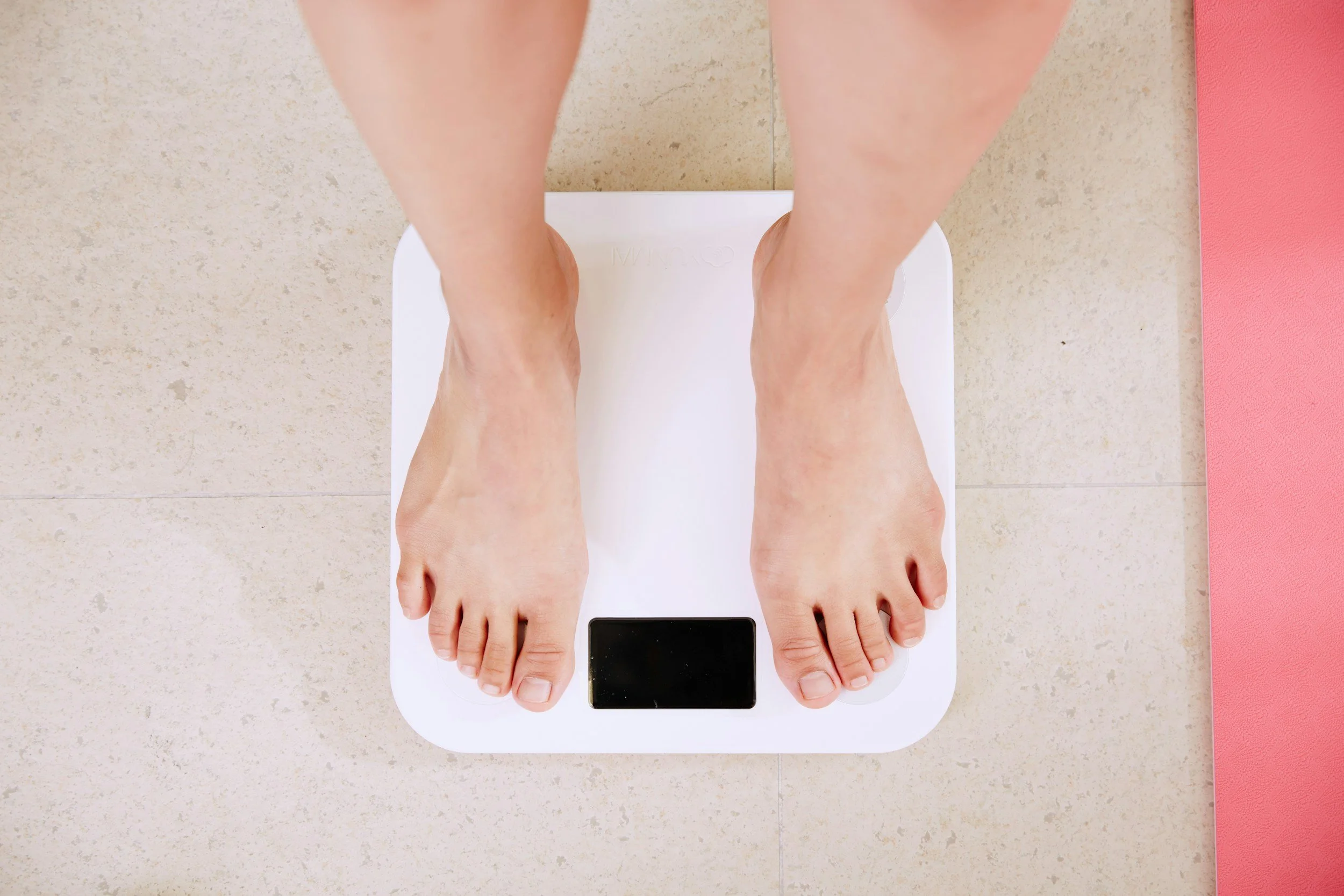
You have lost the same 15 pounds four times. You did everything the plan said. It worked, right up until you stopped. That is not a discipline problem. It is what happens when a plan handles your eating instead of teaching you how to eat.
The short version
Weight gain is rarely about willpower or calories alone
Chronic stress, poor sleep, and blood sugar swings all drive it
Restriction reliably produces overeating, which produces more restriction
The cycle breaks when your meals stop creating the hunger in the first place
Why do I keep losing and regaining the same fifteen pounds?
Because the thing that produced the loss was never something you could keep doing.
Every plan works while you are on it. Cut enough out and the scale moves. The problem arrives the day it ends, because nothing underneath changed. You never learned what a meal needs to hold you, so the moment the rules lift, your body goes looking for what it has been missing.
Then the regain feels like proof you failed, so you go looking for a stricter plan. That is the loop, and it is built into the design.
Is the restrict and overeat cycle a willpower problem?
No. It is a predictable response to being under-fed.
Restrict hard enough and your body responds the way it is supposed to: hunger hormones climb, food gets louder, and eventually you eat past the point you meant to. That is biology doing its job, not you failing at yours.
What follows is usually guilt, then a stricter rule to compensate, which sets up the next round. The way out is not more discipline. It is eating enough, of the right things, that the swing never builds. More on what that chatter actually is in food noise.
What actually causes weight gain?
Four things, and calories are only one of them.
Blood sugar swings. Meals built mostly on carbohydrate spike and crash you, and the crash asks for more. All day, every day, that adds up to eating far more than you planned.
Chronic stress. Sustained cortisol shifts where your body stores fat and makes it hold on. This is the one clients are most surprised by, and it explains why the person doing everything right is often the one stuck. Detail in dehydration, stress and cortisol.
Poor sleep. Short sleep raises hunger hormones and lowers the ones signalling fullness. You wake up hungrier and less able to make a decision about it.
Not enough protein. The single most common gap I see. Too little protein means nothing holds you, cravings run the afternoon, and the muscle driving your metabolism quietly disappears.
Why did it work with a dietitian and then stop working?
Because a plan and an education are different things.
Plenty of clients come to me having already worked with someone credentialed, and the work was often good. What was missing was the transfer. They were told what to eat, not why, so the knowledge stayed with the professional rather than moving to them.
The test of any approach is what happens six months after it ends. If you cannot rebuild a meal on your own, in a restaurant, on a Tuesday you did not plan for, the plan was never yours.
What about after having a baby?
Postpartum weight has its own set of reasons, and almost none of them are what you are being told.
Sleep is broken, which raises hunger hormones. Meals get skipped, then eaten fast and late. Stress hormones are elevated. Hormones are still resettling. And you are almost certainly under-eating protein while doing more physical work than you have ever done.
That last fifteen pounds is not stubborn because you are. It is stubborn because everything driving it is still happening.
So what actually breaks the cycle?
Meals your body cannot argue with, built by you rather than handed to you.
At least 30 grams of protein per meal. Non-starchy vegetables for fiber and volume. Healthy fat so it holds. Carbohydrates that follow the protein rather than lead. Get that right and the swing flattens, cravings quiet, and there is nothing left to white-knuckle.
The full mechanics are in how much protein you actually need and strategic snacking.
Frequently asked questions
Why do I gain weight even when I eat less?
Under-eating drives stress hormones up and muscle down, and both make weight harder to lose. Eating less is not the same as eating well.
Is binge eating a willpower problem?
Overeating after restriction is a physiological response, not a character flaw. That said, if eating is causing real distress or feels out of your control, that is worth raising with a doctor or therapist. Binge eating disorder is a genuine diagnosis and deserves proper care.
How do I stop the restrict and overeat cycle?
Eat enough, consistently, with protein at every meal. The cycle runs on deprivation, so removing the deprivation removes the swing.
Why is it harder to lose weight after 40?
Muscle loss and hormonal change arrive together. See weight loss after 40.
Does stress really cause weight gain?
Sustained cortisol changes where fat is stored and makes the body reluctant to release it. It is one of the most overlooked drivers I see.
🤎
Want tips in your inbox? Sign up for The Monthly Newsletter. No BS, only the good stuff.