Electrolytes, Explained.
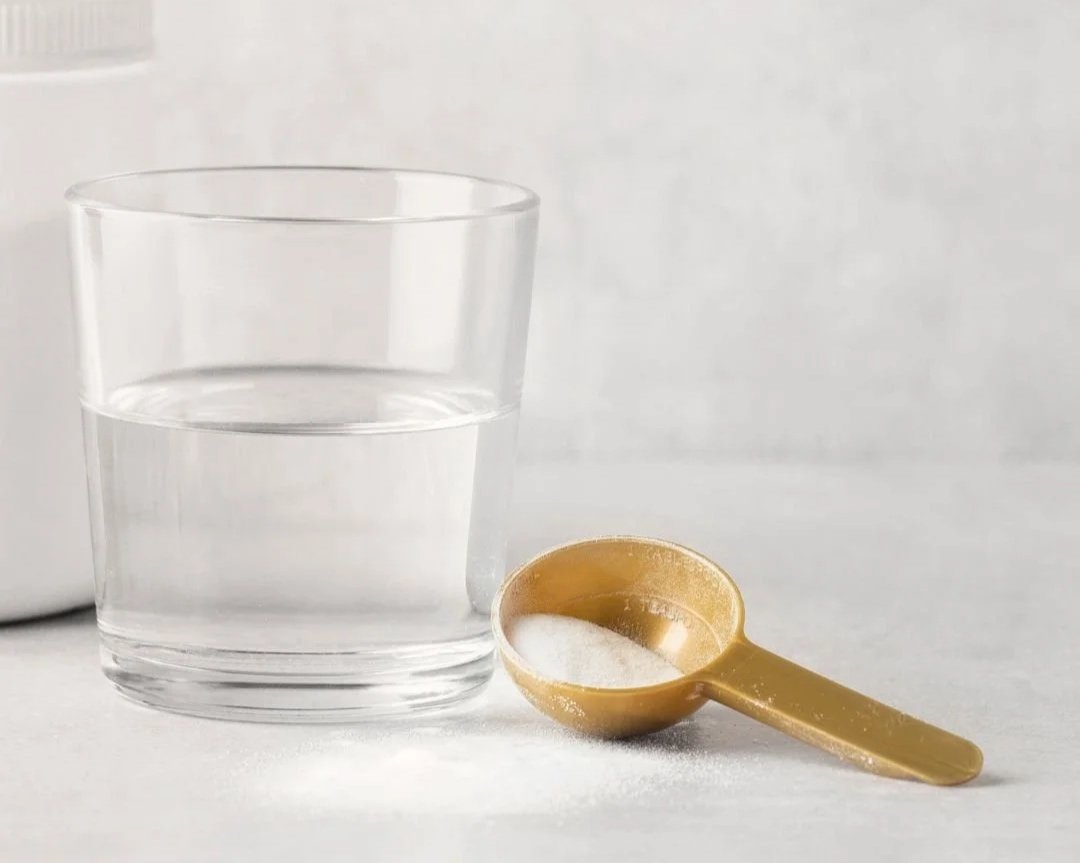
You are drinking the water. You have the bottle, you are refilling it, you are doing the thing everyone told you to do. And you still feel flat, foggy, and weirdly hungry by mid-afternoon.
That is usually not a water problem. It is a mineral problem, and almost nobody explains the difference.
What are electrolytes?
Electrolytes are minerals that carry an electrical charge, and your body cannot run without them.
The main ones are sodium, potassium, magnesium, calcium, and chloride. They do the jobs that keep you upright: firing nerve signals, contracting muscles, regulating your heartbeat, balancing pH, and controlling exactly where the water you drink actually goes.
That last one is the part people miss.
Why isn't drinking water enough?
Because water only gets into your cells when electrolytes carry it there. Without them, it passes straight through you.
You can drink two litres a day and still be dehydrated at the cellular level. Sodium, potassium, and magnesium are the escorts. Without enough of them, you end up puffy, foggy, and running to the bathroom rather than actually hydrated.
That is why plain water sometimes does nothing for a headache, or for that flat 3pm feeling, no matter how much you drink.
Why are so many people low on electrolytes?
Because eating well, ironically, is part of the reason.
A diet built on whole, unprocessed food, exactly how you should be eating, contains far less sodium than the packaged food it replaced. Most sodium in the modern diet comes from processed food. Cut that out and your intake drops sharply without you ever deciding to reduce it.
Then everything else drains them faster:
Heat and sweat, obviously, but also saunas and hot yoga
Exercise, even a long walk in summer
Coffee and tea, both mildly diuretic
Alcohol, one of the worst offenders, which is part of why the next day feels so much worse than the drinks warranted
Stress, which changes how your body handles sodium and magnesium
GLP-1 medications, because when food volume drops sharply, minerals drop with it
So the cleaner and more active your life gets, the more minerals you lose. Plain water cannot put them back.
What does each electrolyte actually do?
Sodium regulates fluid balance and is the one that determines whether water stays in your system or passes through. It is also the one most people are now under-consuming rather than over, if they have moved away from processed food.
Potassium works opposite sodium to manage fluid balance and supports muscle function and blood pressure. Found in avocado, leafy greens, potatoes, and beans.
Magnesium is involved in hundreds of processes including muscle relaxation, nerve function, blood sugar regulation, and sleep. It is one of the most commonly low minerals, and low magnesium often shows up as poor sleep, muscle cramps, and sugar cravings.
Calcium does far more than bone health. It is essential for muscle contraction and nerve signaling.
Chloride partners with sodium to maintain fluid balance and supports stomach acid production for digestion.
What are the signs you are low on electrolytes?
The symptoms are vague enough that most people blame something else entirely.
Fatigue that sleep does not fix
Headaches, especially in the afternoon
Muscle cramps, particularly at night
Brain fog and difficulty concentrating
Feeling thirsty no matter how much water you drink
Needing the bathroom constantly, which means water is passing straight through
Salt cravings, which are often the body asking directly
Dizziness when you stand up quickly
None of these are proof on their own. But if several show up together while you are drinking plenty of water, minerals are the first place I look.
Are sports drinks a good source of electrolytes?
Mostly no, and this is where the category earns its bad reputation.
Gatorade and most conventional sports drinks are built on sugar, sometimes 30 grams or more per bottle, with artificial colors on top. They were designed for athletes losing large amounts of sweat over hours, not for someone at a desk trying to feel less foggy.
Drinking one for general hydration means taking on a soda's worth of sugar to solve a mineral problem. The blood sugar spike that follows will make the afternoon crash worse, not better.
How do you choose a good electrolyte?
Read the back, not the front. Four things matter.
Real sodium in a meaningful dose. This is the one most products skimp on, and it is the one doing the heaviest lifting.
Potassium and magnesium included, not just sodium.
Little to no sugar. Under 5 grams, ideally zero, sweetened with stevia or monk fruit rather than sucralose.
No artificial colors or fillers. If the ingredient list runs long, that is your answer.
The electrolytes I actually recommend are in Coco's Picks: Hydration. Some links are affiliate links, which means I may earn a commission at no additional cost to you.
A few I keep coming back to. LyteShow is unflavored drops, the most flexible option for adding minerals to water or a smoothie without changing the taste. LMNT carries the highest sodium, best for hot days, workouts, and saunas. Ultima is the lightest, magnesium-forward and lower in sodium, good for easy daily sipping. Re-Lyte has a full balanced mineral profile made with ancient sea salt.
Do you need electrolytes every day?
Not everyone, and not always. It depends on what your day is actually doing to you.
Most days, most people: food plus water is enough, especially if you are eating plenty of vegetables, avocado, leafy greens, and using salt at home.
Worth adding on: hot days, after exercise or a sauna, the morning after drinking, while eating very low carb, when you are ill, or if you are on a GLP-1 and your food volume has dropped sharply.
A useful habit either way: one glass in the morning before coffee. Most people wake up mildly under-hydrated, and starting the day with minerals rather than plain water changes how the whole morning feels.
Can electrolytes help with cravings?
Often, yes, and the mechanism is simpler than it sounds.
Mild dehydration scrambles hunger signals, so what registers as a 3pm craving is frequently thirst wearing a costume. Water alone sometimes does not settle it, because the water is not being absorbed properly without minerals to carry it.
There is also a real connection between low magnesium and sugar cravings. Not a magic fix, but if you crave sugar every afternoon and drink a lot of plain water, minerals are worth trying before willpower.
What about hydration and weight loss?
Hydration affects weight loss through stress, digestion, and cravings, and it is one of the easiest levers to pull.
Being even mildly under-hydrated raises cortisol, which puts your body in the exact state where it holds onto weight. It also slows digestion, and fiber without enough water makes bloating and constipation worse rather than better.
That is a whole conversation of its own: how dehydration raises cortisol and stalls weight loss.
The bottom line
Water gets you halfway. Minerals are what actually move it where it needs to go.
If you are drinking plenty and still feel flat, foggy, or hungry between meals, the fix is usually not more water. It is better water.
🤎
Want tips in your inbox? Sign up for The Monthly Newsletter. No BS, only the good stuff.