You're on Ozempic, Now What?
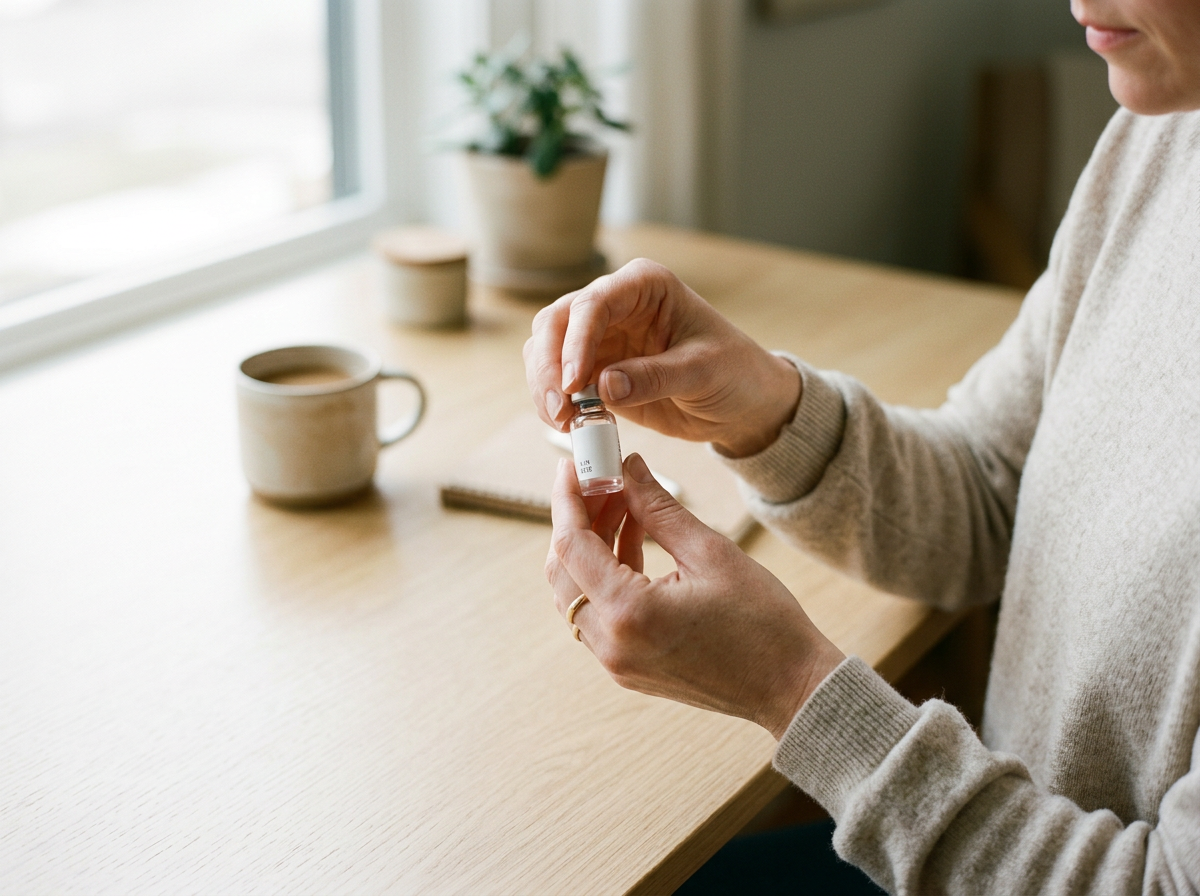
The prescription came with a dose schedule and nothing else. No one told you what to put on the plate.
Whether it is semaglutide (Ozempic, Wegovy) or tirzepatide (Mounjaro, Zepbound), the prescription solves appetite and nothing else.
That gap is the whole problem, and it decides whether the weight stays off.
The short version
The medication handles appetite. It does not handle food
Protein is the one number that matters: 30g per meal, 100 to 150g a day
Resistance work protects the muscle the medication puts at risk
What you build now is what holds when the prescription ends
What should you actually do first?
Get your protein up before you change anything else.
When appetite disappears, total food drops and protein drops with it. That is the moment lean mass starts going out alongside the fat, and lean mass is what keeps your metabolism running. Aim for at least 30 grams per meal and 100 to 150 grams a day.
The difficulty is not the number. It is that the drug removes the signal telling you to eat, so protein has to be scheduled rather than felt. Anchor every meal: eggs, fish, chicken, turkey, Greek yogurt, cottage cheese. On the days nothing appeals, a shake counts. More detail in how much protein you actually need.
Do you need to exercise on a GLP-1?
Resistance work matters more here than at any other time, and this is the one thing I will say outside my lane.
Protein is the material your body uses to hold muscle. Resistance work is the signal telling it to bother. Without the second, the body treats muscle as expendable and burns it alongside the fat. Public health guidelines put resistance work at two or more days a week. Programming is for a trainer, but the principle is not optional.
Full picture in how to keep your muscle on Ozempic and Wegovy.
Is the medication a free pass to eat whatever you want?
No, and not for the reason you would expect.
It is not about discipline. It is that you are eating far less food than before, so every bite has to carry more nutrition than it used to. A day of processed food at 1,200 calories leaves you short on protein, fiber, iron, and B12 in a way the same food never did at 2,000.
Upgrade what is on the plate rather than restricting it further. Real protein, vegetables, healthy fats. You are not eating less junk to be good. You are eating better because there is less room for error.
What happens when you stop?
Appetite returns, and whether the weight does depends entirely on what you built while it was quiet.
In the STEP 1 trial extension, people regained about two-thirds of what they had lost within a year of stopping, though that trial withdrew lifestyle support at the same time as the drug. Newer real-world data splits three ways: some regained, some held, some kept losing.
What separates those groups is not willpower. It is whether the habits were in place before the appetite came back. The 30, 60, and 90 day transition plan covers exactly that.
The bottom line
These months are the easiest window you will ever have to learn how to eat, because the usual resistance is not there. Food noise is quiet. Cravings are manageable. Nothing is fighting you.
Most people spend that window only losing weight. The ones who keep it spend it learning.
For everything on the plate, start with what to eat on GLP-1 medications.
🤎
Want tips in your inbox? Sign up for The Monthly Newsletter. No BS, only the good stuff.